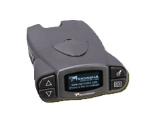
Tekonsha's latest P3
electric brake controller is said to be the most advanced controller on
the market. Features include easy to see LCD display with multiple
colour & contrast options with highly advanced easy-to-understand
roadside diagnostics & easy access "Up-Front" controls. The original
"Boost" feature allows for different levels of customized braking. It
also has a compact, dash-hugging design & unique easy-to-use
clip-mounting system for quick disconnect & easy storage.
|
|
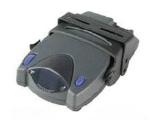
The Prodigy is a
technologically advanced controller. Even with its pendulum
based output it requires no levelling and is equipped with a
self-adjusting sensing device to compensate for varying terrain. Its
digital display illustrates the voltage level delivered to the trailers
brakes whilst driving and also reports any electrical fault conditions
such as power loss, short circuits. It has a plug in wiring
harness for easy removal and a unique pocket mounting for flexible
options. This unit has a variable power level that is further
complimented by a boost feature for incremental power.
|
 |
|
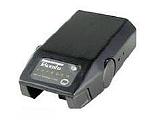
The Voyager unit is a pendulum
based controller with an indicator light to confirm that the trailer is
connected and the circuit is complete. The indicator light also changes
colour as an indication of the amount of power going to the trailers
brakes. The Voyager controller has a manual-braking slide lever and
variable gain control. It provides smooth braking but can be a bit
fiddly to adjust.
|
 |
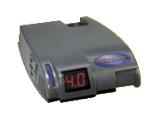
The Primus has a totally proportional electric trailer brake control
applying power to the trailer brakes in proportion to vehicles
deceleration . It utilizes the primary sensor technology from Prodigy
and features a one step set up system allowing the driver maximum
flexibility when determining how the trailer should respond to a braking
event. Snap in dash mounting clip and removable electrical connector
allow unit to be quickly stored when not in use. It shows a digital
readout depicting a secure electrical connection and the amount of
voltage delivery to the trailer brakes.
|
 |
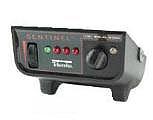
The Sentinel is the product of extensive consumer research by Tekonsha.
It is inertia activated using integrated circuitry for safe, smooth
stops. The ergonomic design allows contour installation on dash for
maximum visibility with comfortable access to the manual override slide
lever. The LED power delivery display shows the amount of current
delivery to the trailer brakes and glows green when a complete
connection is made to the trailer.
|
 |
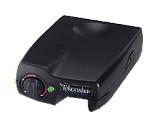
The Envoy is built with simplicity and reliability in mind. It's easy to
install and easier to set and use & easily adjustable to accommodate
different trailer weights. Envoy is equipped with a inertia activated
sensor that detects the tow vehicles rate of deceleration and applies
proportional braking to the trailer. It has a pivot mount & is ideal
for installation in newer model tow vehicles.
|
 |
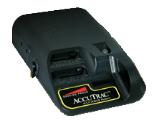
The AccuTrac is an inertia activated brake controller.
The AccuTrac is especially suited for constantly changing load
conditions as. The dual action slide
controls allow customized stopping power both in town and on the
highway. It features dual brake action setting controls, solid state
electronics, easy to set up and adjust, positive LED indicator confirms
brake connection.
|
 |
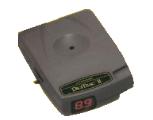
The AccuPower DigiTrac II is a good choice for your constantly changing
heavy load conditions. It is able to detect the difference between a
gradual deceleration like slowing to a traffic light and the stopping
power required when braking for an unexpected event. It's advanced
electronics and patented Inertia Sensing System are designed for
consistent and predictable stopping power. The Inertia Sensing System
uses two separate power delivery controls - one for the "around town"
gradual stopping and one for the urgent sudden stops.
|
 |
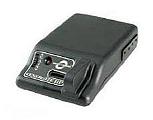
Hayes Lemmerz
Energize III
The Energize III unit is a simple to use pendulum based
controller. It has a manual pendulum level which is highly visible and
easy to set. A roller gain wheel allows easy tuning of braking quantity
and the manual braking slide overrides gain settings for full emergency
braking. An LED indicator light intensifies as braking power increases,
which is a useful control feature. It is simple, reliable and provides
smooth brakes. |
 |
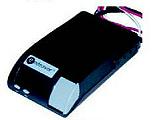
The Endeavour is an advanced Energize III. It has a manual pendulum
level but the digital readout guarantees a precise set. An
increase/decrease button sets braking levels and a digital display
indicates the amount of power being sent to the caravan brakes. The
digital display also provides visual warning of several fault
conditions, including current limit and short or open circuit. The easy
to use manual override slide operates independently of the power setting
to allow full braking output when desired.
|
 |
|
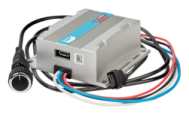
Bendix Ultimate Tow
The Bendix Ultimate Tow is compatible with the
electronics of modern vehicles which are equipped with advanced safety
features like adaptive cruise control & autonomous emergency braking.
The controller uses its own unique braking algorithm to work seamlessly
& safely with the vehicles important safety features.
|
 |
|
TIME
DELAY CONTROLLERS |
|
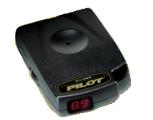
The AccuPower Pilot mounting options are very flexible as you are
able to mount it in any direction even upside down. It has a large
digital two-digit display making it easy to read the the voltage output to brakes (vs. a percentage output)
as well as connection to the trailer.
Features include
microprocessor allowing control to be mounted upside down and still have
a readable display, protection against short circuit and loss of ground
& with an optional ball mount available.
|
|
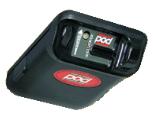
The POD (Power On Demand) can
be mounted in any direction, even upside down. It features solid state
electronics, power on LED for a positive tow vehicle to trailer
connection & manual over-ride controls.
|
 |
|
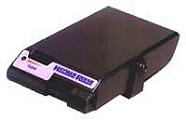
Hayman Reese
The Hayman Reese
controller features simple operation, slim design and unlimited mounting
positions. Not being a pendulum based
controller its power level is varied by adjusting the Sync and Output
controls on the unit. The sync relates to the timing of the brakes,
(advanced or delayed) and the output level control adjusts
the power. Because there is no internal pendulum sensor the Hayman Reese
controller will deliver the same braking performance every time you
apply the vehicle brakes which limits its ability to deliver smooth and
effective braking in all stopping scenarios. The unit also has a manual control that allows
variable independent application of the trailers brakes.
|
|
|
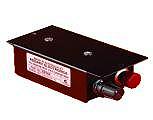
Redarc
The
Redarc is a miniature solid state controller which provides a smooth and
progressive brake application when the vehicle brakes are applied.
Adjustable braking force is by a finger tip rotary control, while a
manual switch provides manual override to operate the trailer brakes and
brake lights without applying vehicle brakes. The intensity of the
braking depends on the position of the sensitivity adjustment. An LED
indicator advises operating mode by changing from green to red as
braking force is increased. |
 |
|
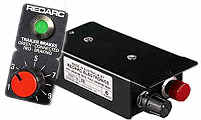
Redarc
The EBRH controller comes with remote
LED allowing the controls to be mounted up to 500mm away
from the main unit. The controls are small enough to be
mounted in the dash through a standard pushout switch
panel. The main unit can be mounted out of sight while
the controls will have minimal visual impact on the
dash. The braking gain adjustment knob & the manual
override pushbutton are the same control, which allows
the operator to adjust the braking level whilst
operating the manual override function.
|
 |
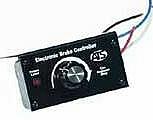
All
Trailer Spares in Brisbane have their own electronic in house brand
brake controller which is suitable for mounting in the vehicle.
|
 |
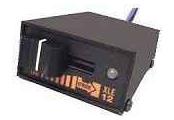
GLS Electronics have their XLE12 which is a compact sized electronic
brake controller, suited to be mounted in any position. Operation is
reliable even on the roughest of roads. Brake pressure is adjusted via a
control knob.
|
 |
|
MOTION SENSING/ TIME DELAY CONTROLLERS |
|
|
Redarc
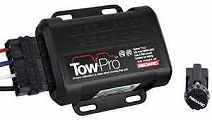
Redarc has released a world first with
the introduction of the Tow-Pro electric brake controller which has both
inertia and delay brake controller operations built into
the one unit.
In automatic mode
the controller is in inertia sensing mode and is best suited to road and
highway conditions applying a proportional voltage to the trailers brakes. This allows
the trailer to decelerate at the same speed as the tow vehicle.
The user
controlled operation to the solid state operation allows the driver to set the level at which the
trailer brakes are applied at a pre-determined braking rate. This can be
a big advantage in some
road and terrain conditions or
off-road situations.
|
 |
|
|