|
Rob's
camper trailer
tips & tricks
|
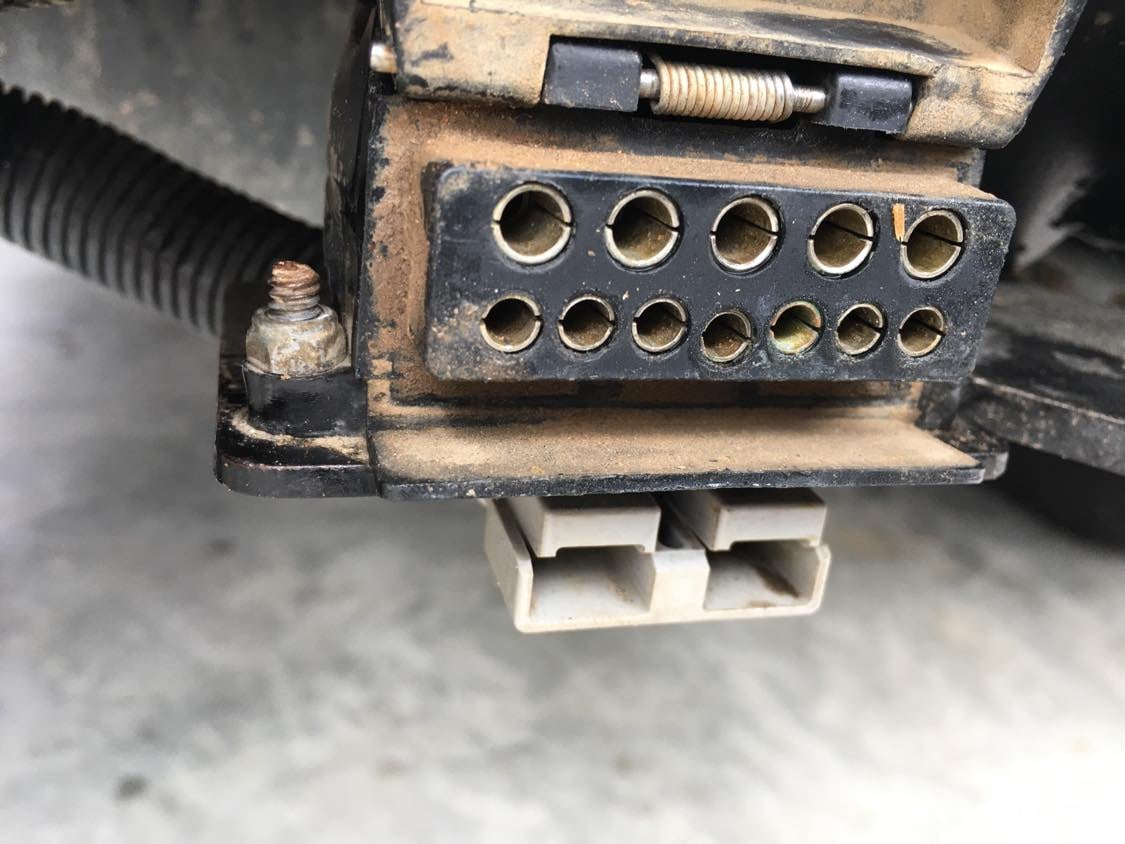
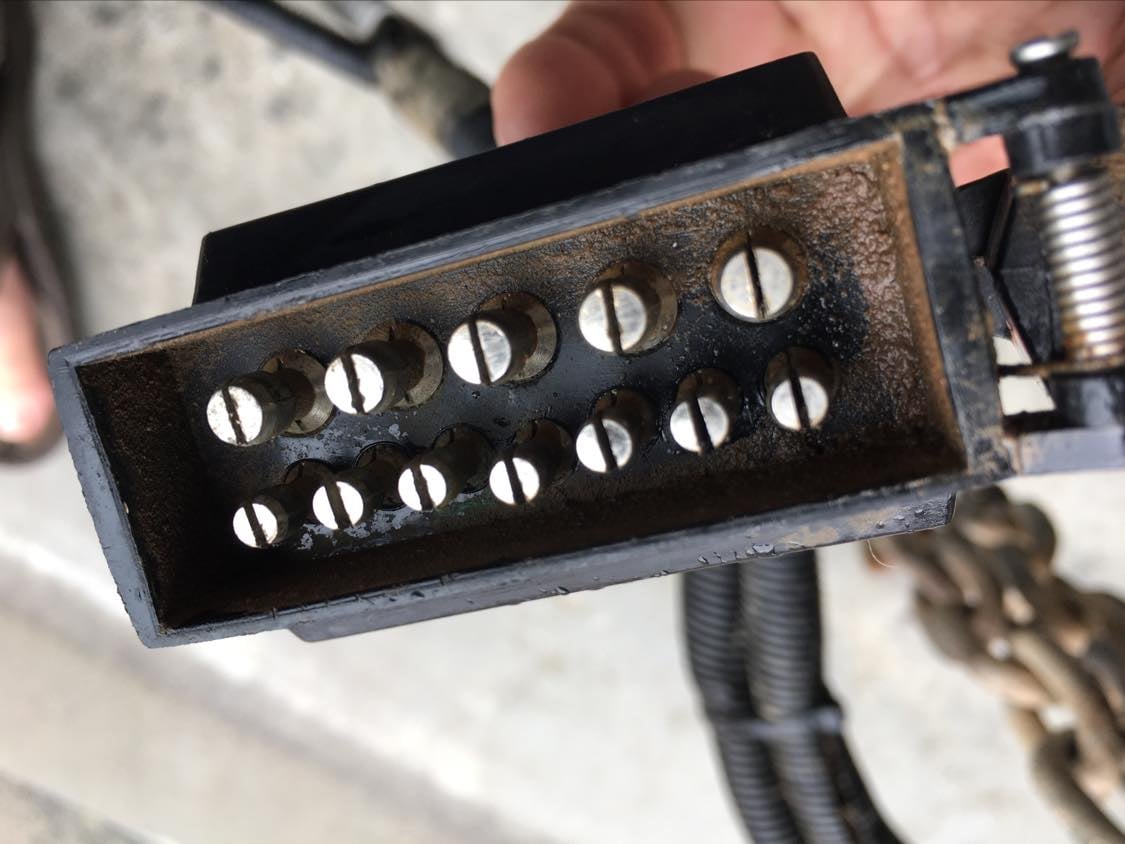
trailer
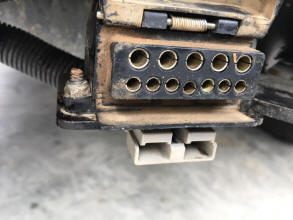
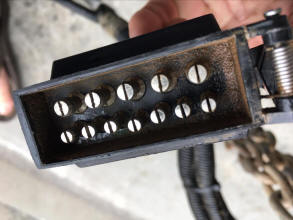
connector maintenance
Part of your
regular trailer maintenance should include checking
the plug & socket wiring connectors to make sure
they are in good
order. The connectors are mostly neglected until the
trailer lights are checked before driving off, then
the search begins to find the fault.
https://www.campertrailers.org/trailer_connector_maintenance.htm
|
|
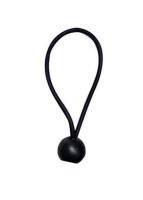
bungee
around the trailer cables
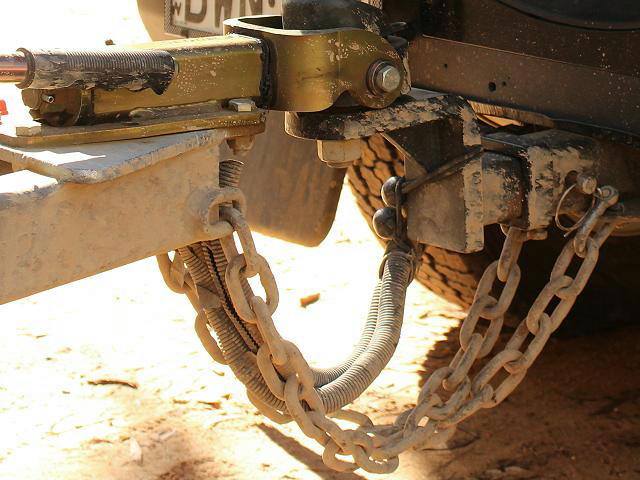
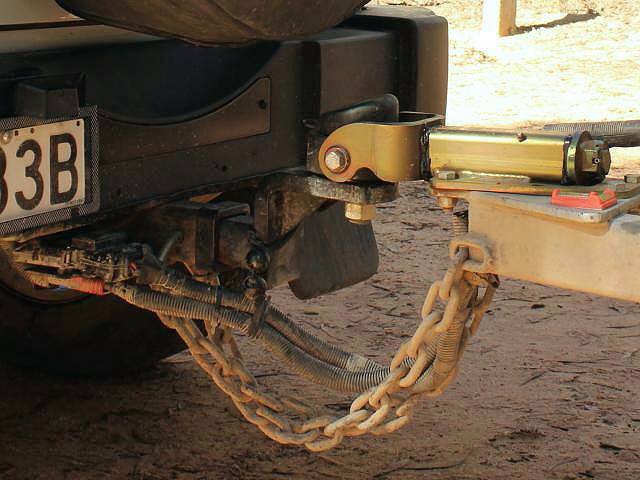
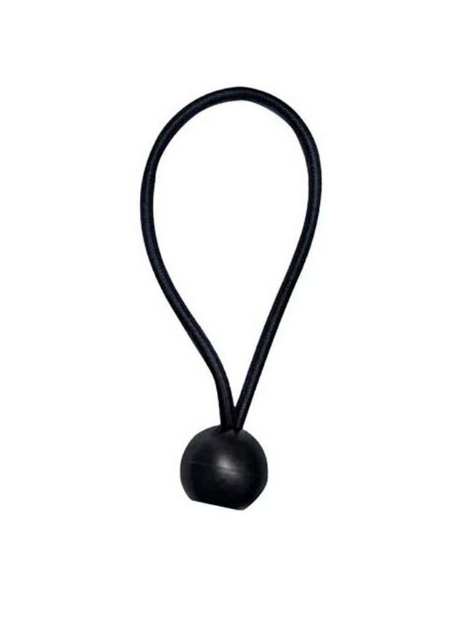
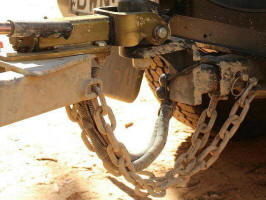
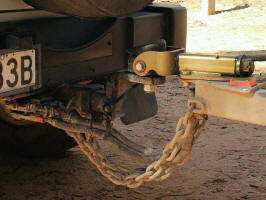
I use a bungee with ball around the trailer cables &
hitch to prevent the trailer plug & Anderson Connector
hitting the road if they happen to part company from the
vehicle. Although all the years we have been towing the
camper trailer we have never had cables come loose.
|
|
longlife
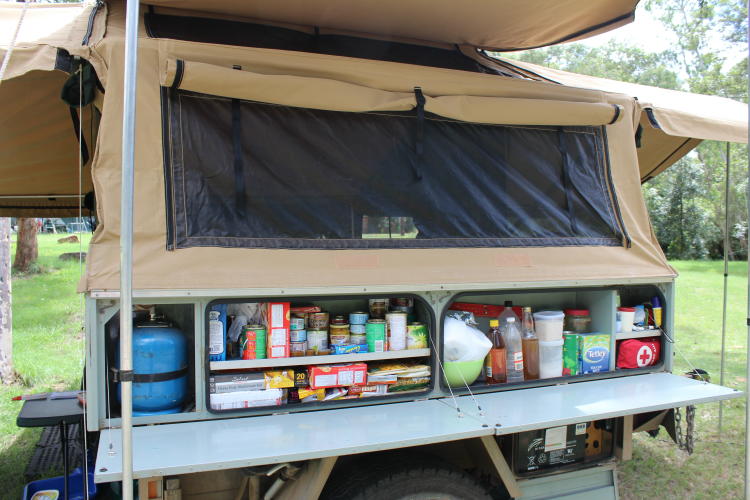
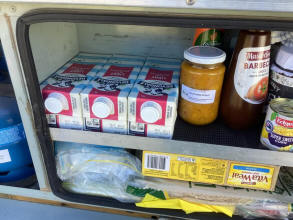
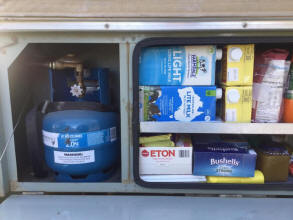
milk cartons weeping
Over the years
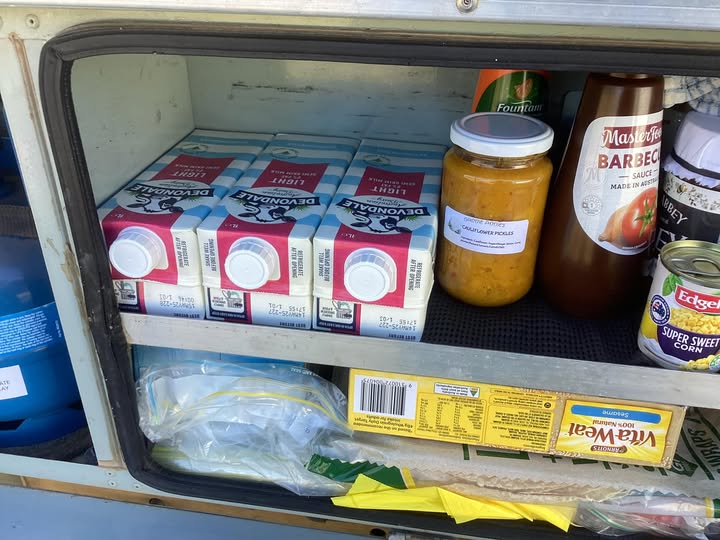
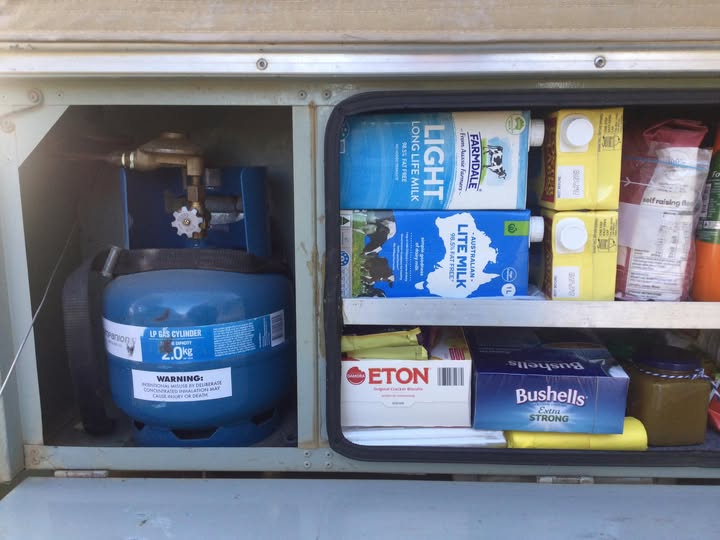
we have had trouble with the bottom corners of the
longlife milk cartons squashing down & weeping when
standing upright driving on corrugations & 4wd trails
despite sitting on carpet & trying a couple of
different brands of long life milk.
We tried placing the cartons
on their side which solved the problem by spreading the
load over a greater area.
|
|
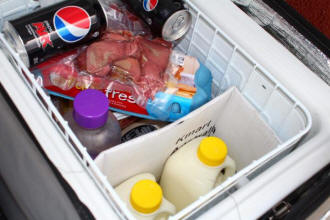
fridge divider
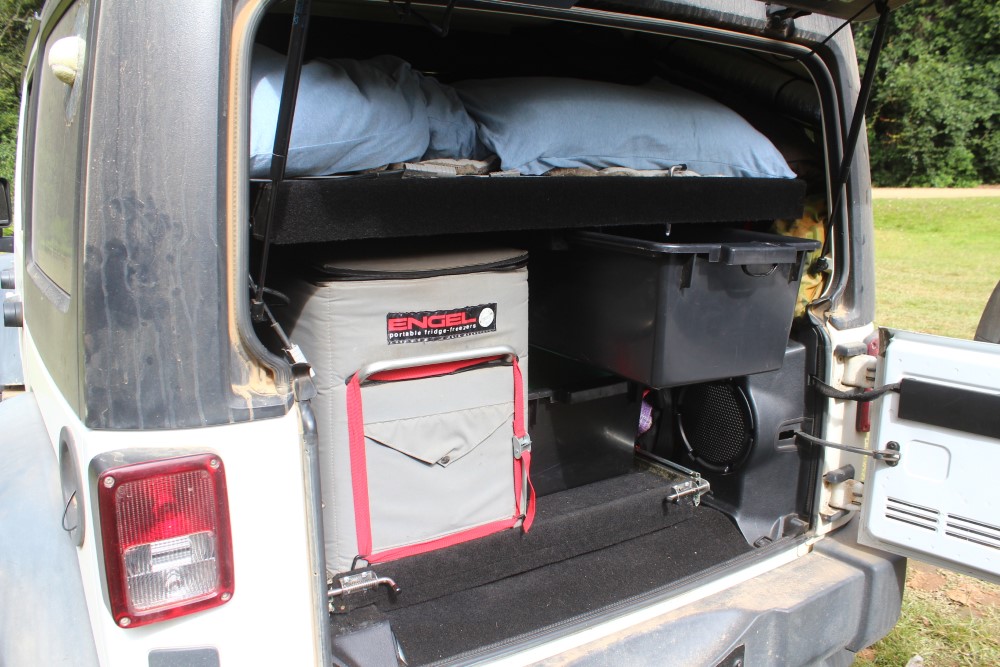
We found
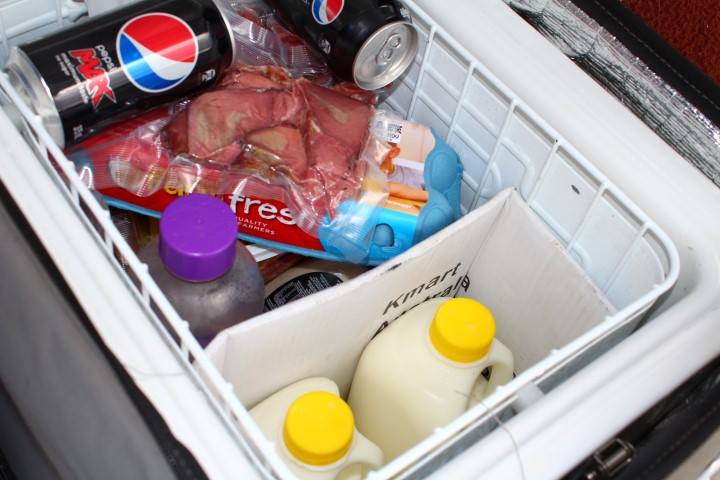
it a real pain when grabbing milk from the 40
litre Engel that everything slipped into the
empty space. Then we had to hold the lid open,
lift the items that had falling into the void &
replace the milk all with two hands.
I made a divider from cardboard as a trial & it
worked a treat. I have since remade the divider
from cornflute corrugated plastic sheeting.
|
|
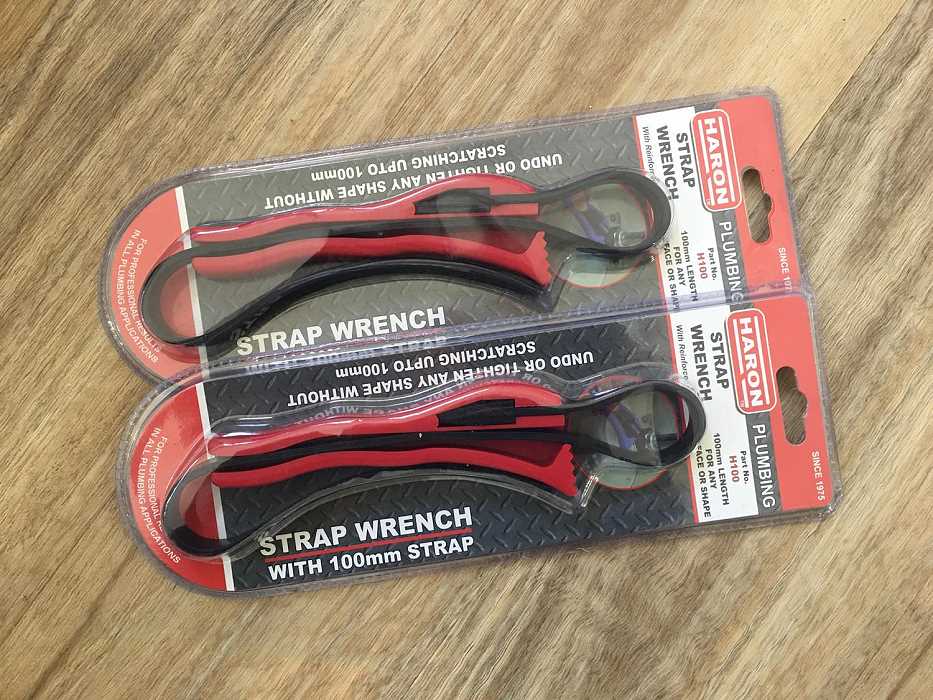
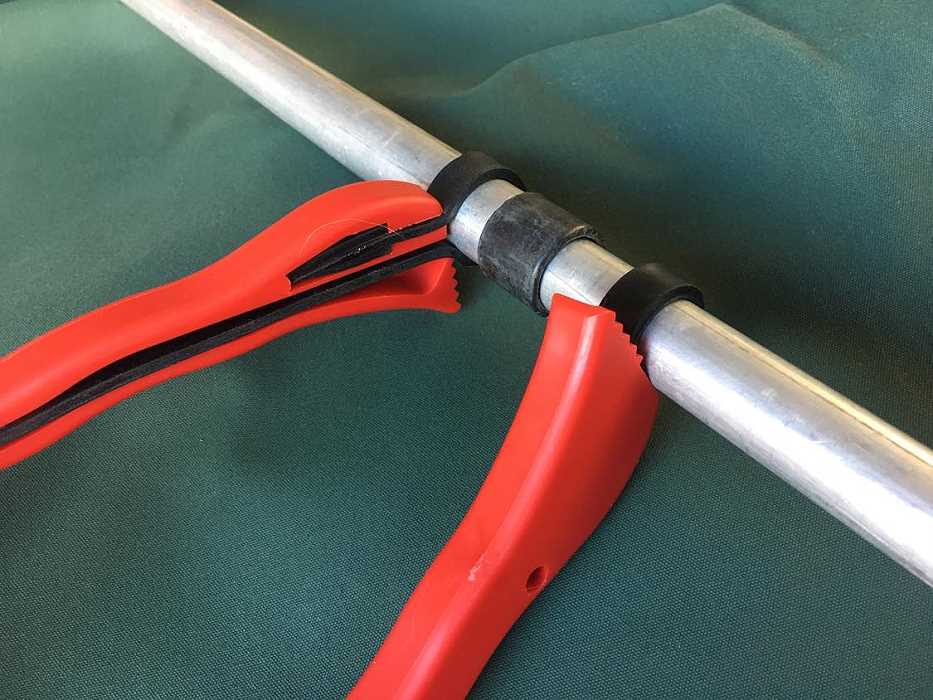
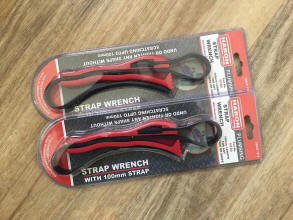
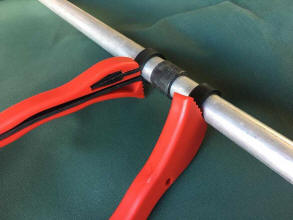
releasing twistlock poles
Two fully adjustable
strap wrenches in opposite directions will
give a firm grip on a tent pole to release
twistlock tent poles that are locked without
damage to the pole.
https://www.campertrailers.org/strap_wrench.htm
|
|
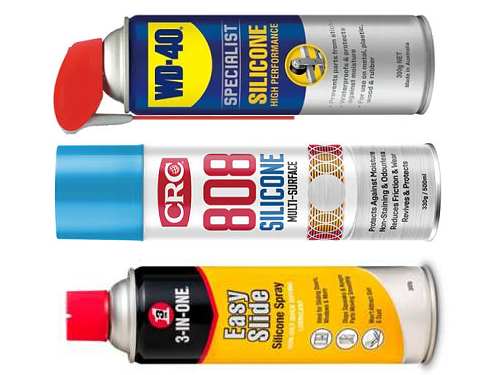
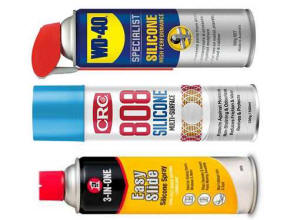
silicone spray
Silicone spray does not attract dust, so is
the perfect lubricant to use on everything
that slides, opens & shuts around the camper
trailer. We use it on zips, hinges, Anderson
connectors, trailer plugs & sockets also the
tow hitch. There are many brands to choose
from. We usually pick up a couple of cans
in the middle isle at Aldi when on
special.
|
|
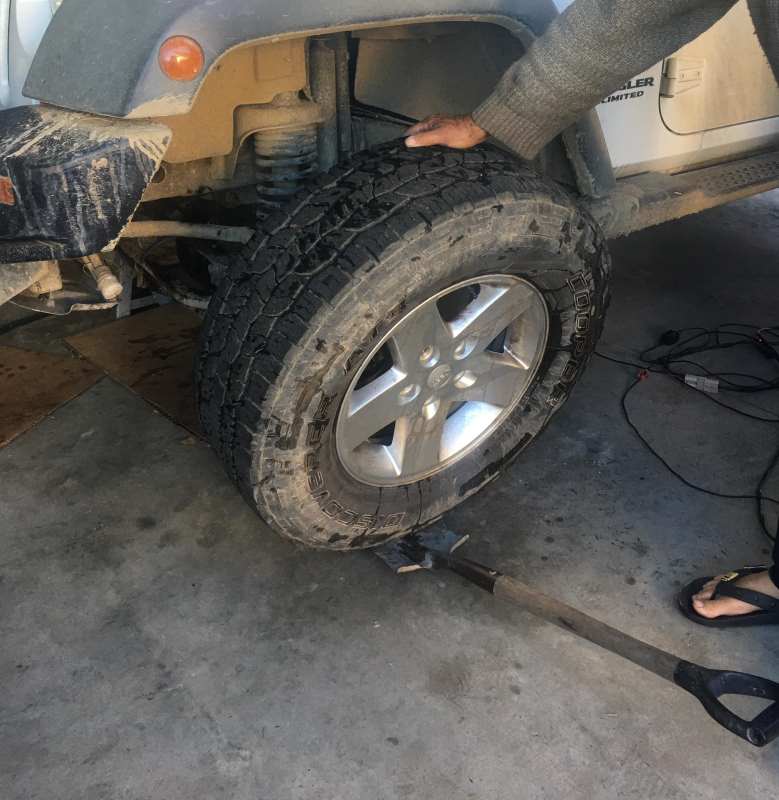
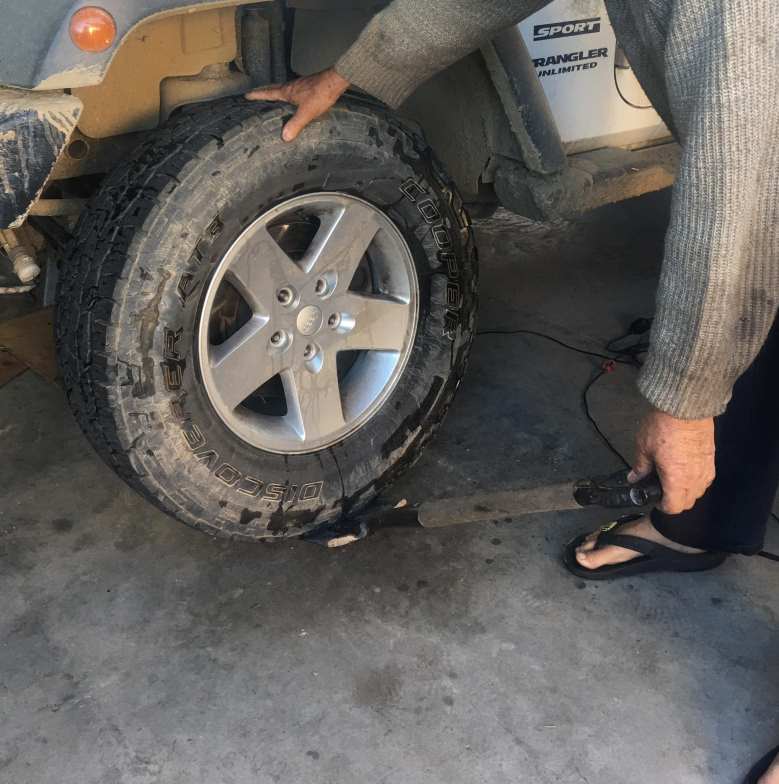
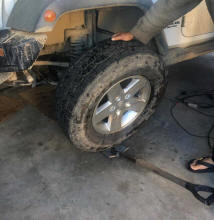
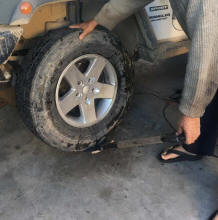
getting the wheel back on
An
easy way to lift your wheel back onto
your vehicle or camper trailer without
busting your poofle valve. I use a
shovel, but you can use anything at hand
like a couple of tent poles, tree branch
etc.
Place the shovel under the center of the
hub & roll the wheel onto the shovel
with the bottom of the wheel slightly
under. Align the wheel holes to the
studs.
As you lift the handle of the shovel
push the top of the wheel forward and
onto the studs.
|
|
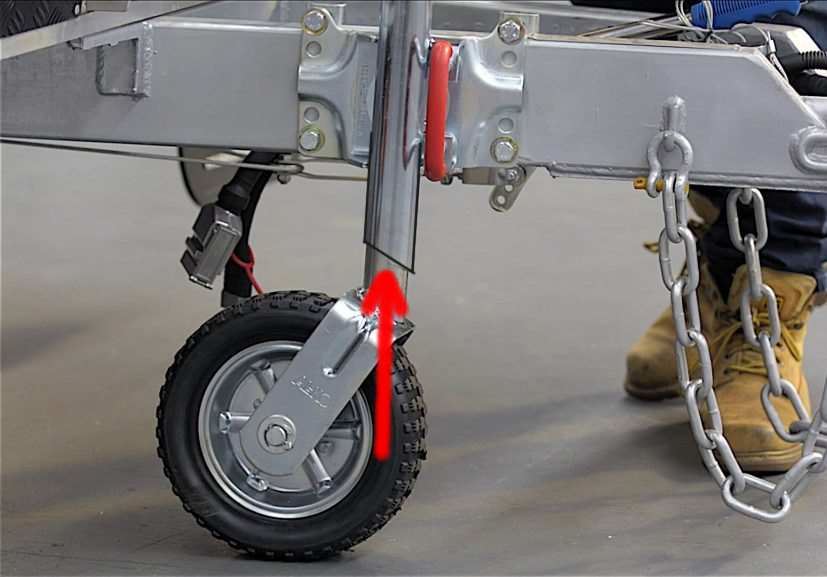
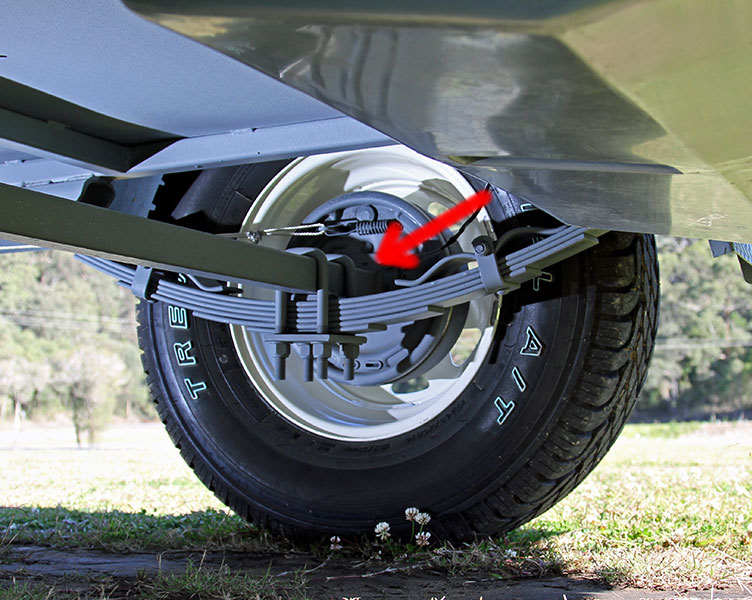
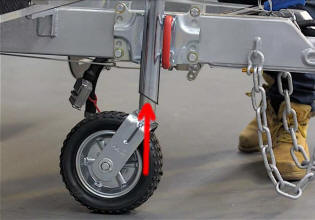
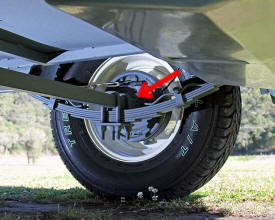
stopping ants
To
stop ants getting into your camper
trailer when stored between trips, squirt insect
surface spray up the inside of the jockeywheel outer tube & around the axle
between the back of the wheel & leaf
springs. Both these locations are out of
the weather.
|
|
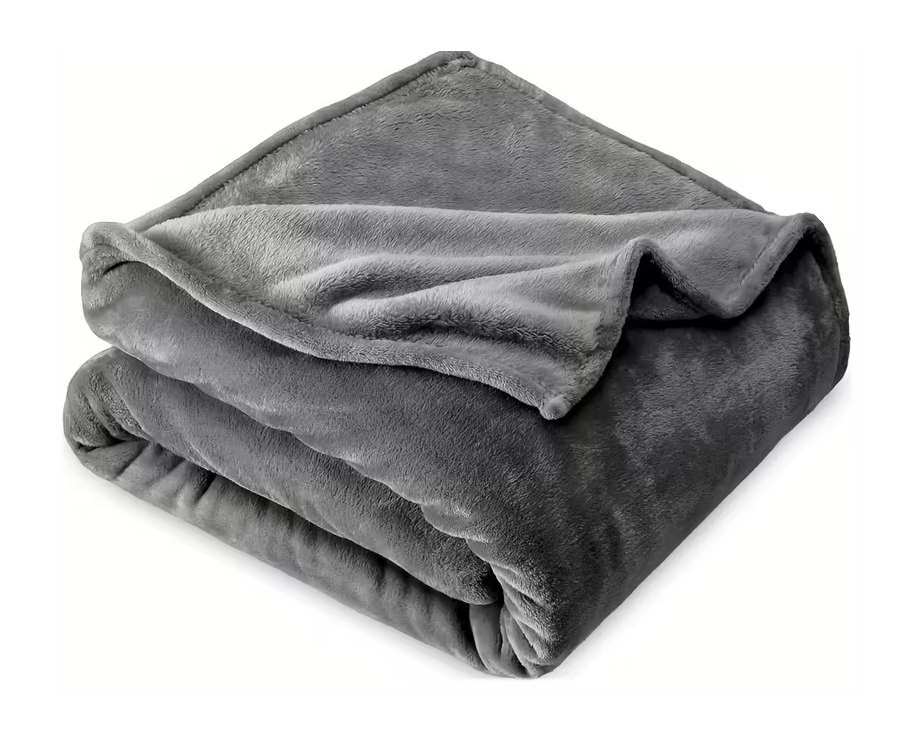
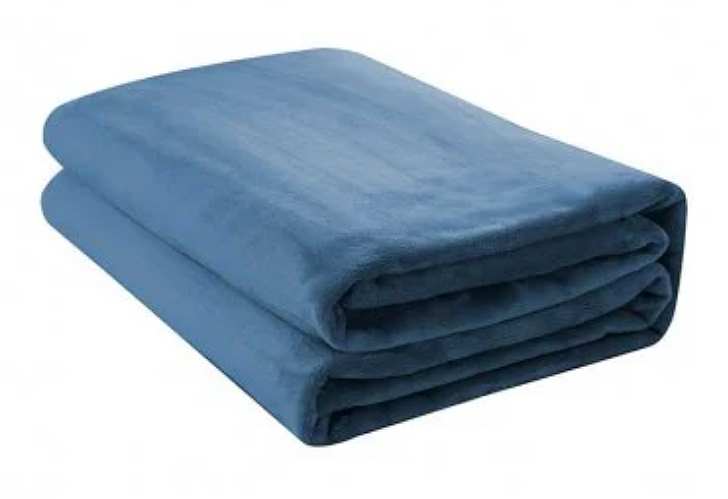
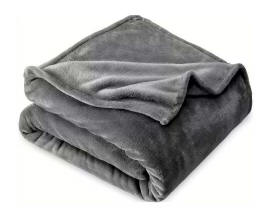
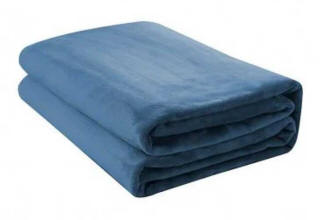
warm winter bedding
Our camper
trailer winter bed is very warm. On
the mattress we have a synthetic
sheep skin overlay to stop the cold
coming up with microfibre bed
sheets. On top we use a couple of
lightweight fleece blankets & a wool
blanket. The bed feels warm when we
get in. If the temperature drops
to below zero we have a 10oz
canvas we throw over the bed, reflecting body heat as well as
stopping the cold coming through.
|
|
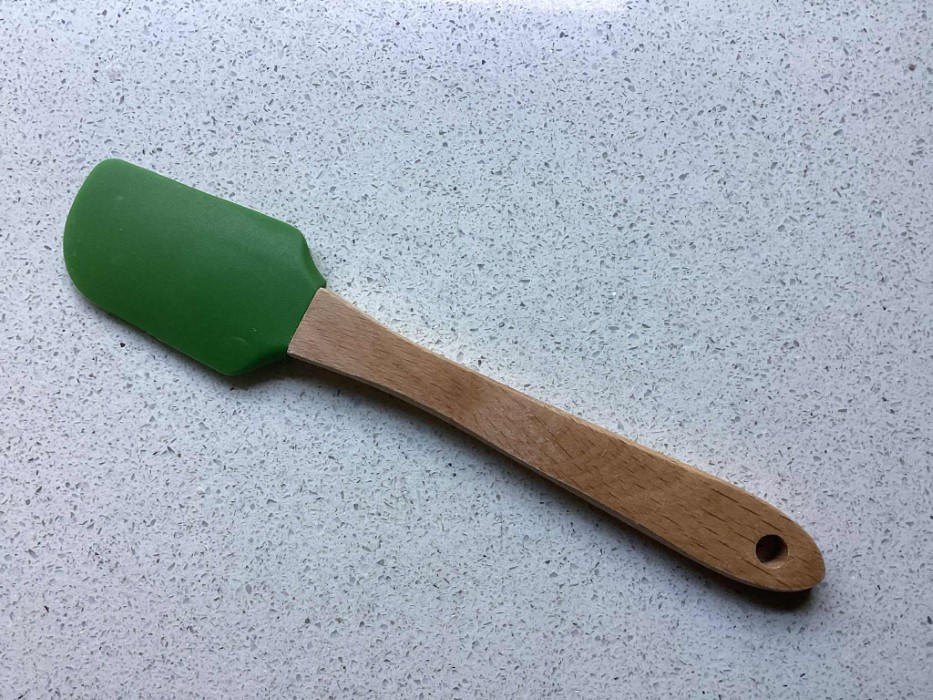
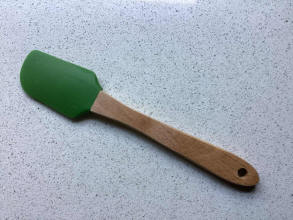
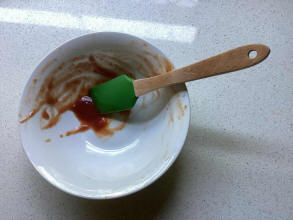
saving water when washing up
By removing most of the
leftovers from the plates & bowls with a
silicone spatula, a lot of water can be saved
when washing up if water is scarce.
|
|
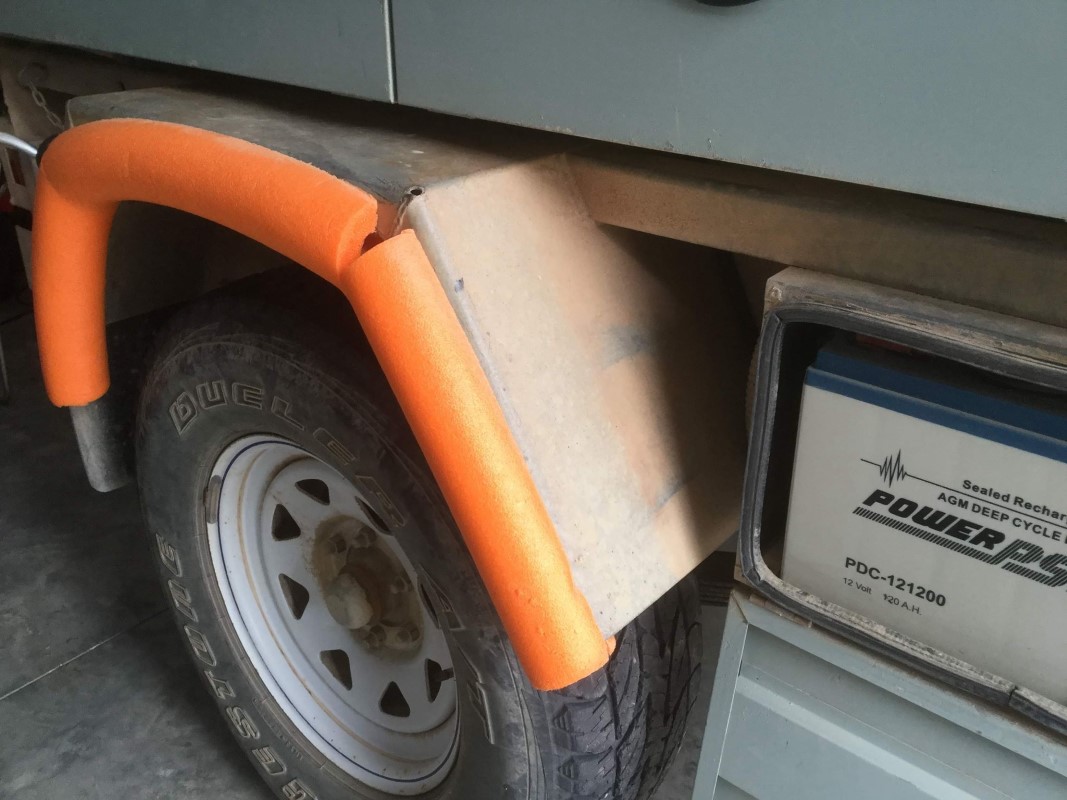
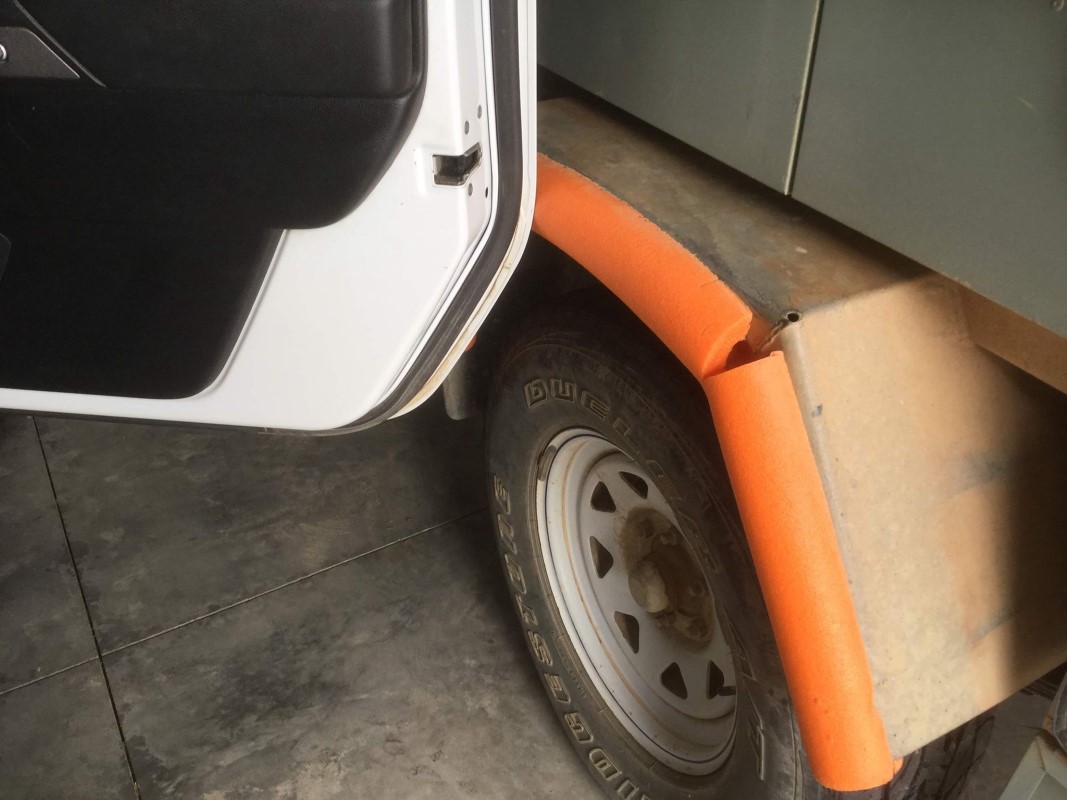
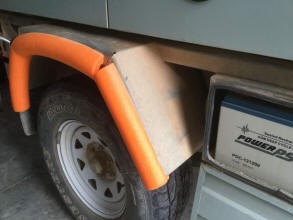
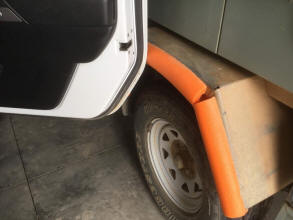
pool
noodle door chip saver
A split pool noodle placed
on the camper trailer mudguard makes a great car
door paint chip saver when getting in & out
of your vehicle when
parked in the garage.
|
|
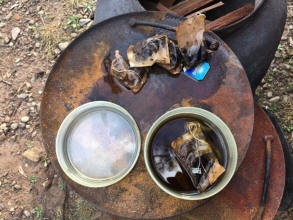
recycling
used tea bags
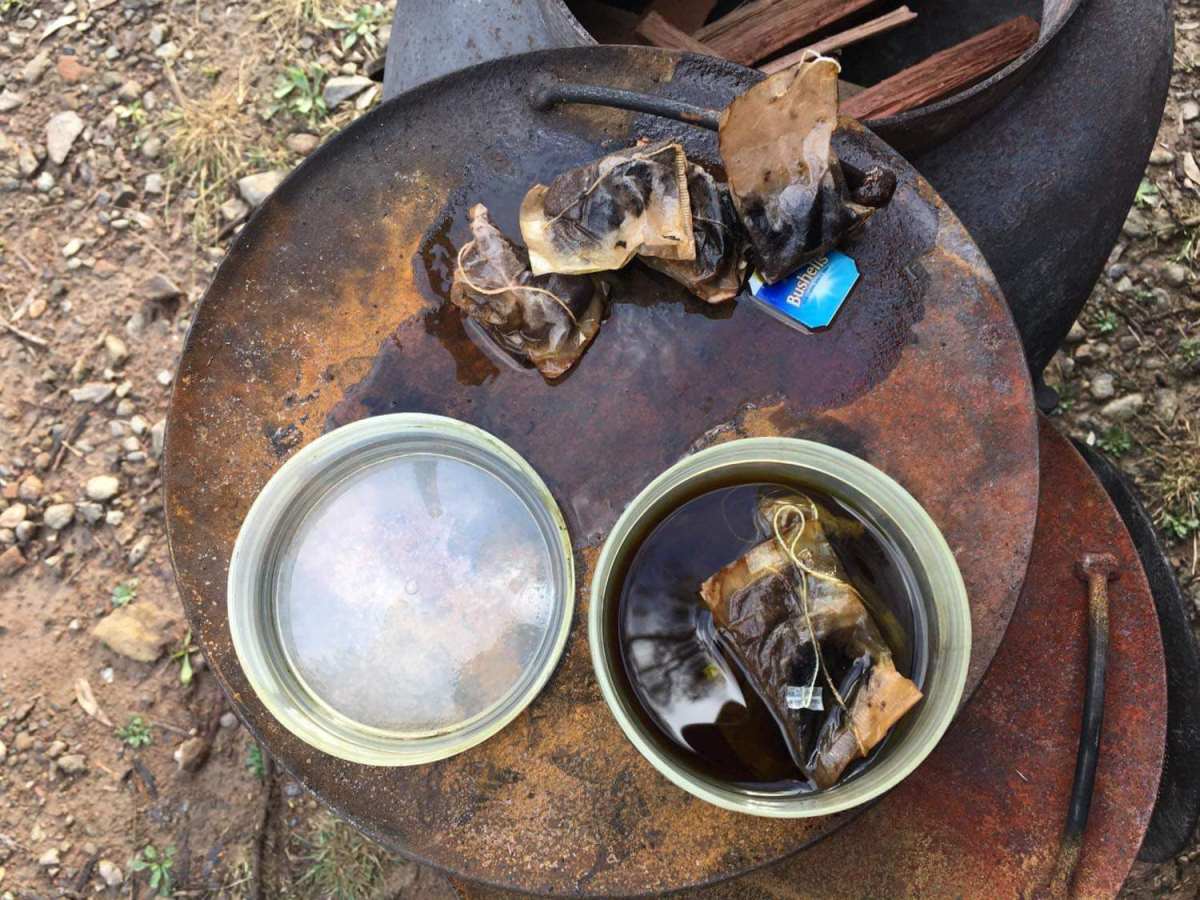
We have been
recycling used tea bags as fire starters. After they are
dry just drop them into a container of mentholated
spirits.
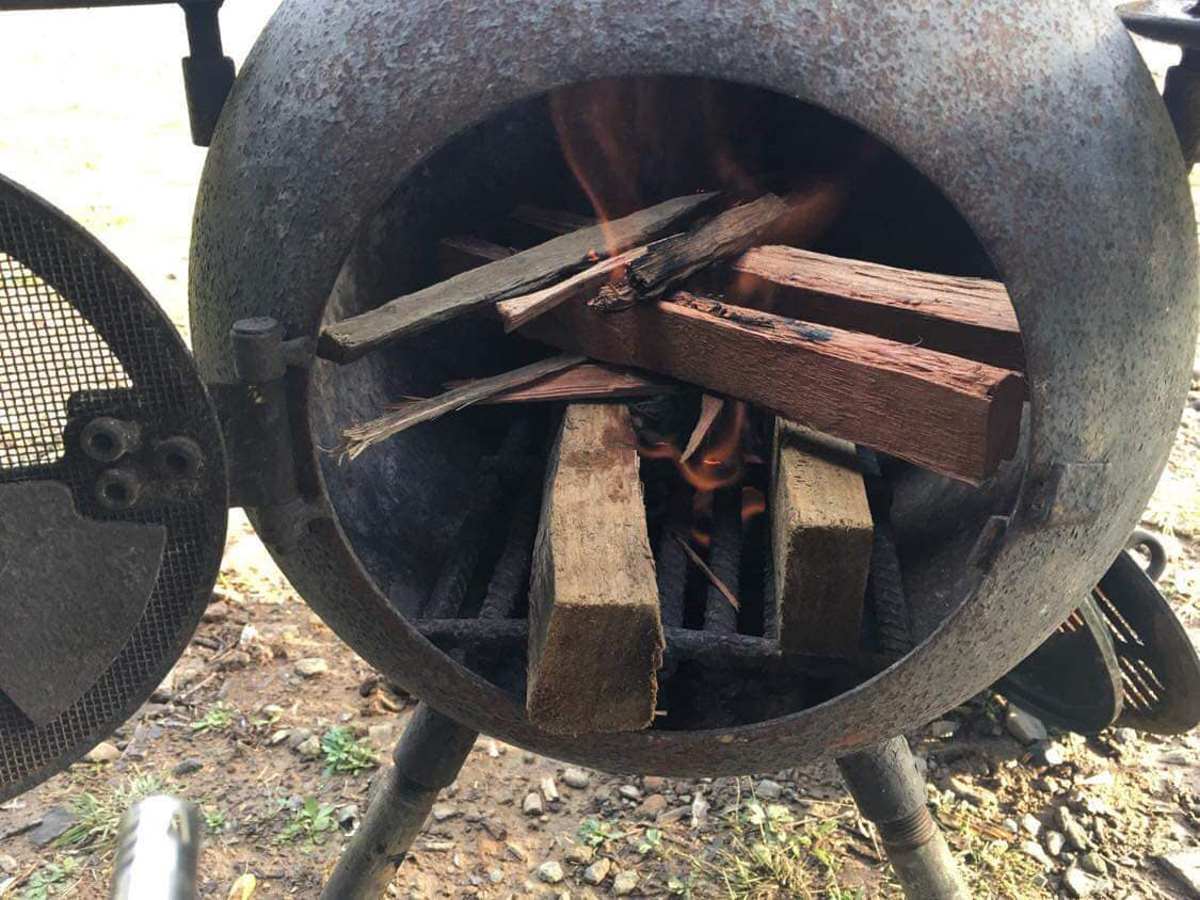
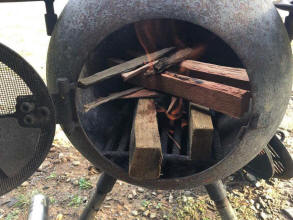
I stack the kindling leaving a centre chimney & place
the bags at the bottom. When lit the flame funnels up
the middle to easily start the fire.
|
|
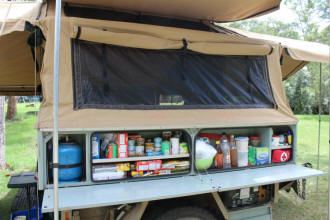
organise
packing
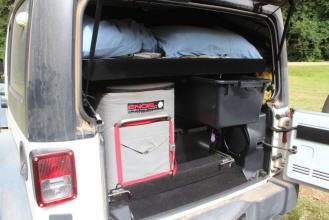
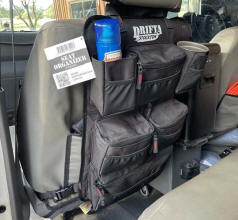
There is a place
for every thing & everything in its place. When you are
finished with something put it back, don't wait until
you are packing up at the end of the trip. This also
reduces the time taken to get on the road.
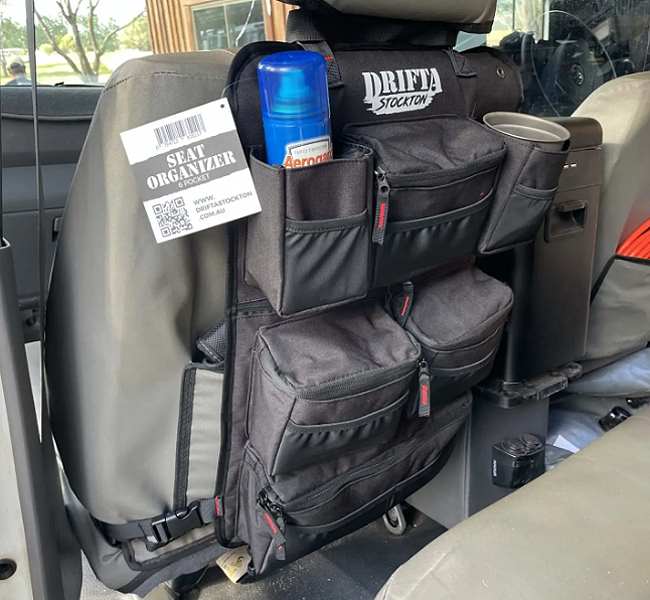
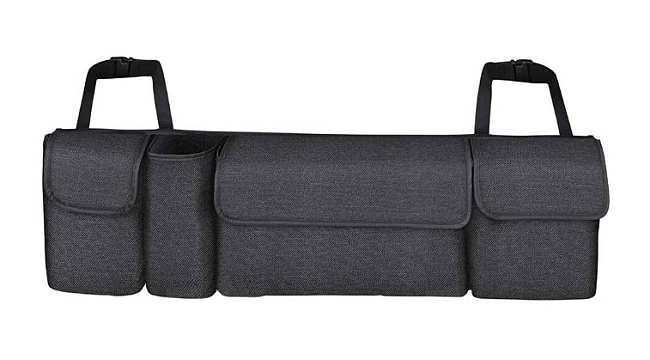
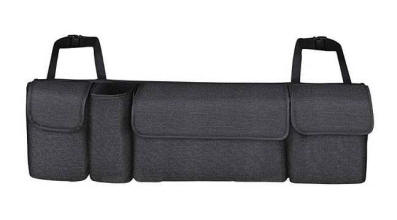
We use storage
organisers on the back of the front seats & across the
width on the front of the back seat that hang off the
headrests in our vehicle providing easy access to
everyday items.
|
|
golf
umbrella for winter warm
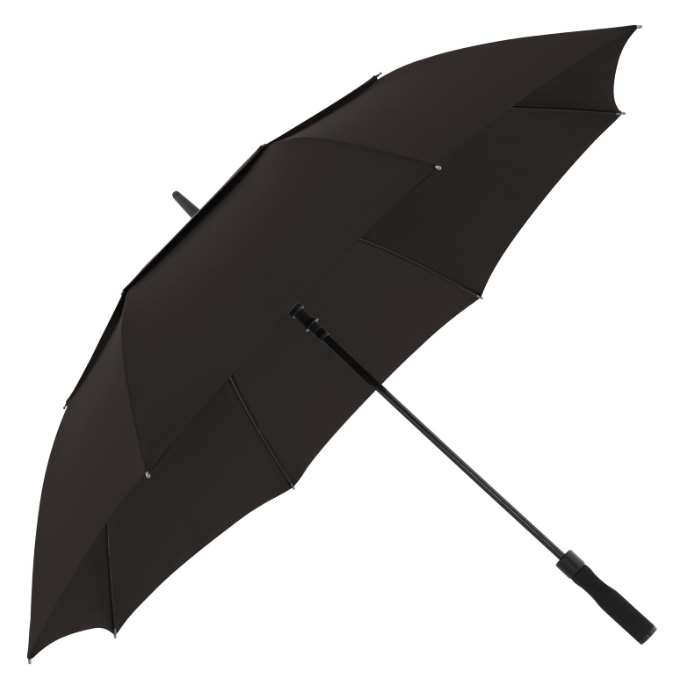
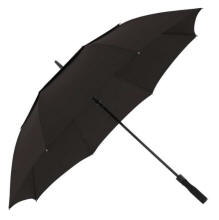
We use golf
umbrellas around the campfire to keep warm. They stop
the cold wind at your back & also reflect the heat
making a micro climate without blocking completely the breeze
at ground level which
causes the campfire smoke to come back into your eyes. The
larger size also allows us to sit at the campfire in the
rain.

|
|
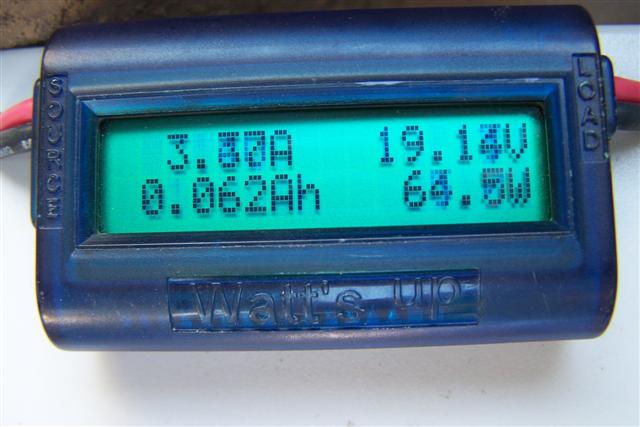
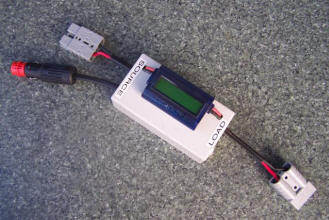
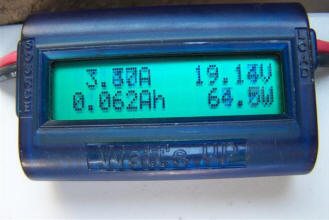
dc power meter
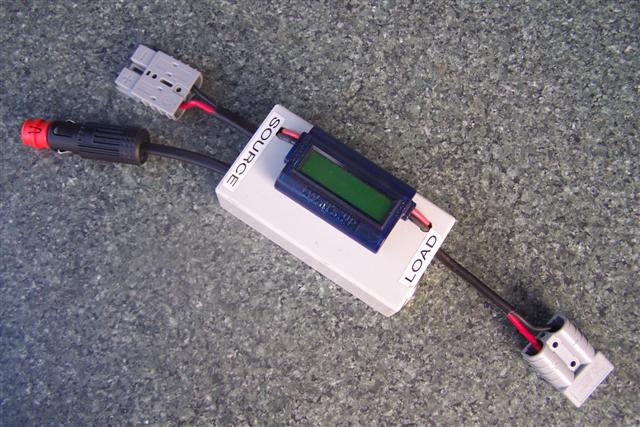
A DC power meter
would have to be one of the most handiest things around
camp. It is connected inline & gives an instant readout
to the power usage of different 12volt appliances &
accessories as well as over time.
It is especially useful to measure the power consumption
of a 12volt compressor fridge say over a 24 hour
period, as the fridge cycles on & off to maintain a set
temperature. A power meter can also be used to monitor the
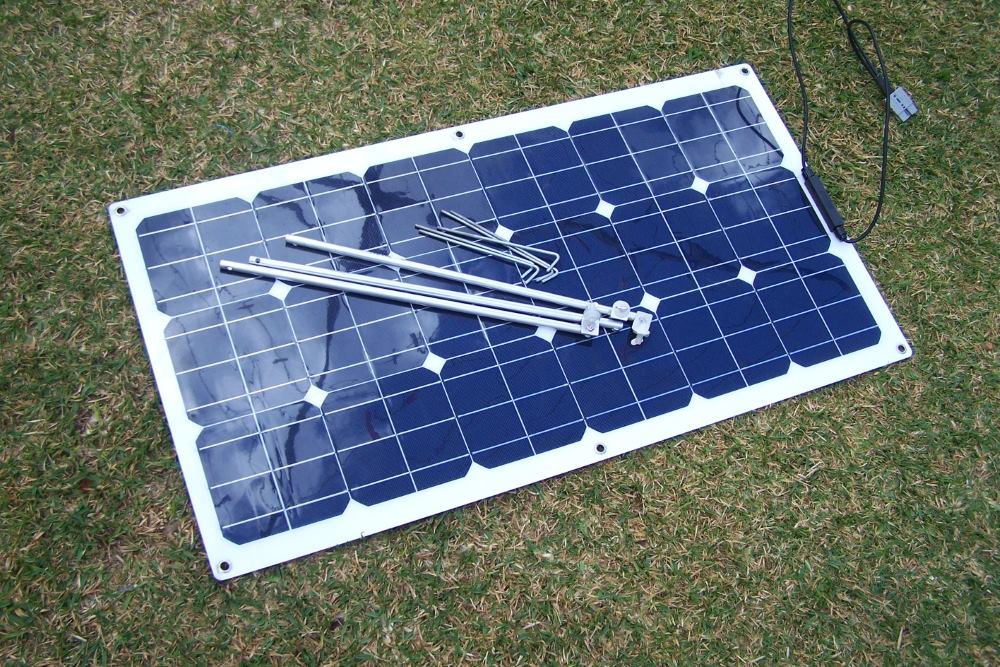
output of your solar panel over the course of a day.
I built mine into a jiffy box with an Anderson
connector, cigarette socket plug & plug to give quick use
with any 12volt item we have in camp.
https://www.campertrailers.org/watts_up_meter.htm
|
|
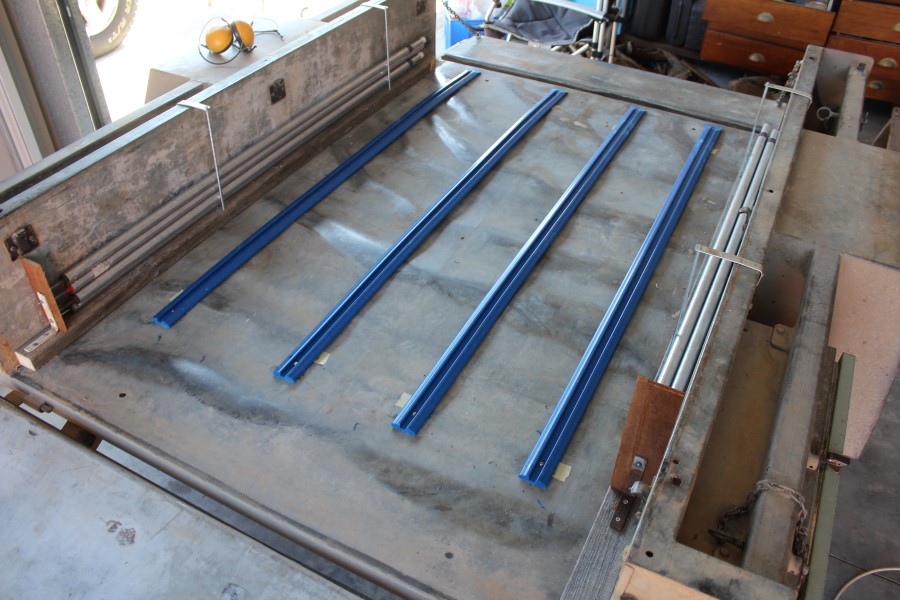
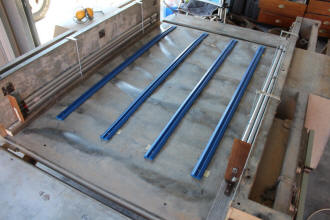
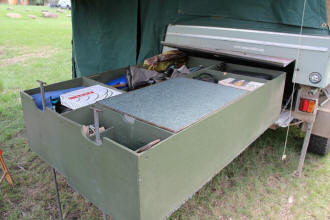
boat trailer
skids
as draw slides
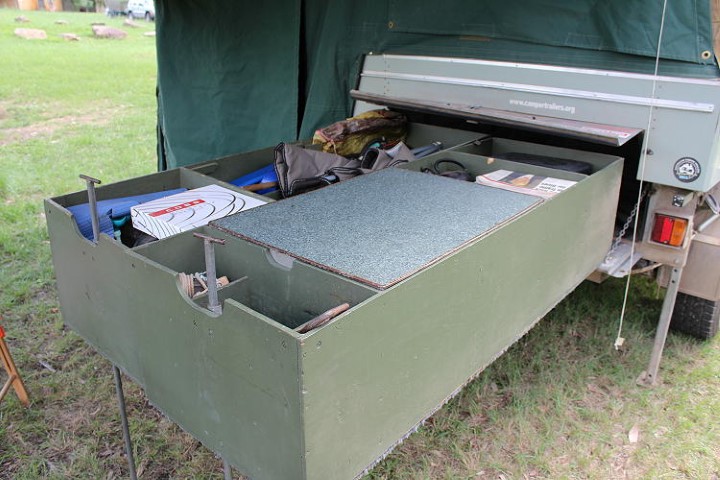
I added teflon boat trailer skids to
the floor of the box trailer which allows the two plywood
storage draws to
move easier as if they were on wheels, it makes that
much difference.
https://www.campertrailers.org/trailer_draw_skids.htm
|
|
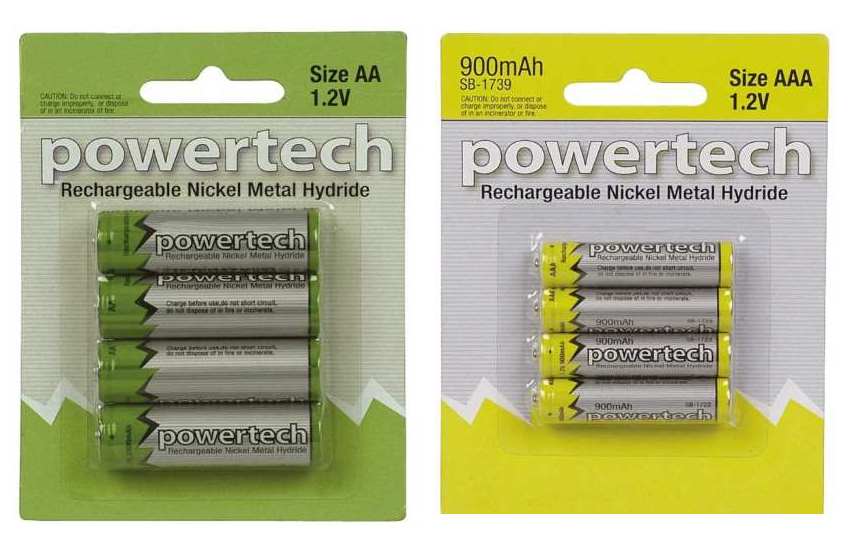
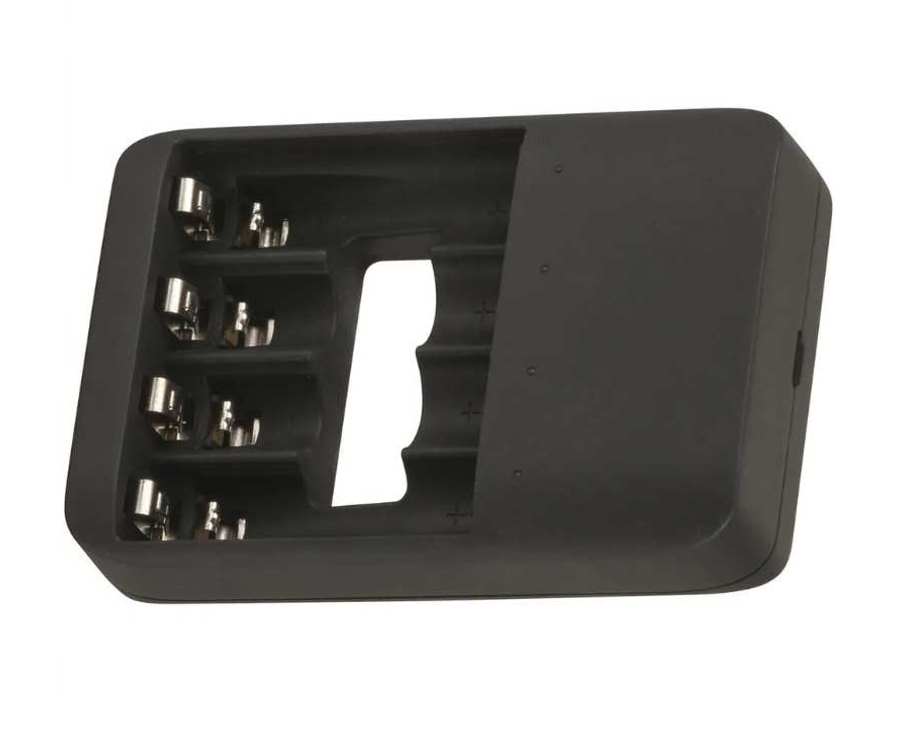
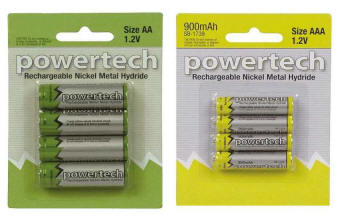
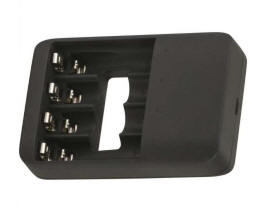
rechargeable
AA & AAA batteries
We use rechargeable AA & AAA
batteries in our accessories charged with a 12volt/240volt charger
to suit both battery sizes. We also
carry a spare set of each battery size as quick replacements.
|
|
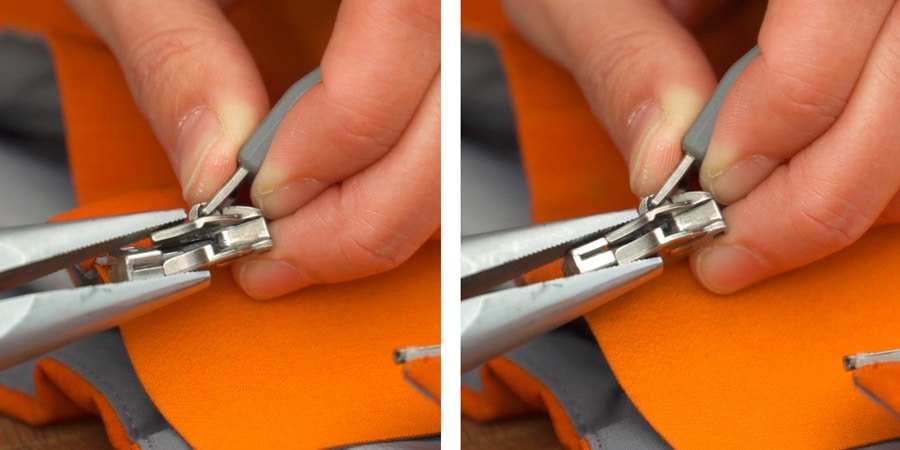
broken zip
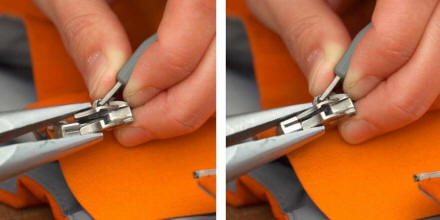
If the zip slider does not close the
teeth, hopefully the problem may only be the rear
section of the slider. If it is higher at the rear you
can gently squeeze it with a pair of pliers which will
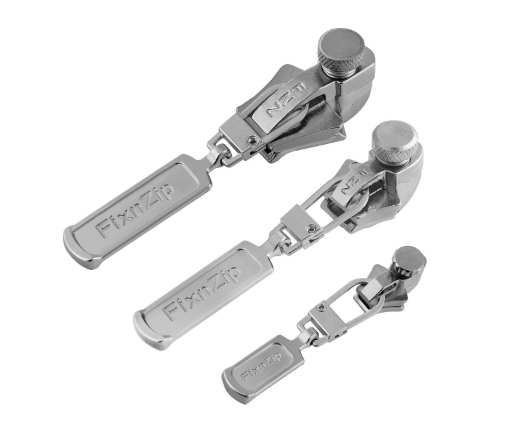
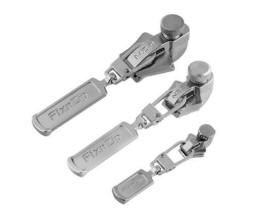
allow the teeth to mesh once again. If the slider is
damaged there are replace zip slider kits available such
as
https://fixnzip.com.au/
On the otherhand the problem may be a damaged or missing
zipper tooth which will require the whole zip to be
replaced. A local canvas repairer may be able to replace
the zip without taking the camper trailer tent off the
trailer depending on the zip location.
We find a little silicone spray often allows the zip to
slide smoothly without attracting dust.
|
|
checking
trailer ball weight
It is important that a camper
trailers loaded weight is suited to the maximum
capacities of the tow vehicle set by the vehicle
manufacturer making for a safe combination in all
situations. The trailers ball weight is also part of the
vehicles payload.
A rule of thumb for the camper
trailers ball weight is around 10% to 15% of the camper
trailers loaded weight which gives a safety net with
variable shifting weights as the water tank is emptied,
food consumed & firewood unloaded.
It is a good idea to have your vehicle & camper trailer
checked at a public weighbridge at least once so you
know all is legal on the road.
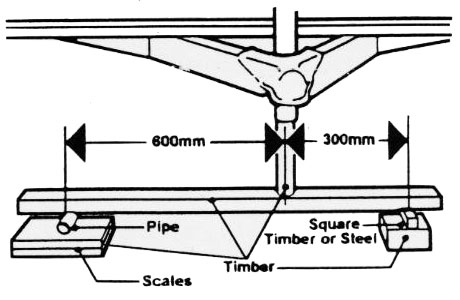
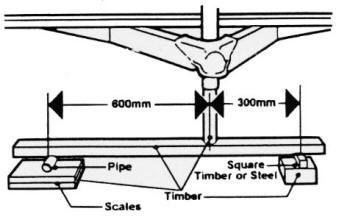
There are commercial towball scales
https://www.campertrailers.org/towsafe.htm If you do
not have a ball weight scale you can rig one up at home
using the bathroom scales & what is available.
|
|
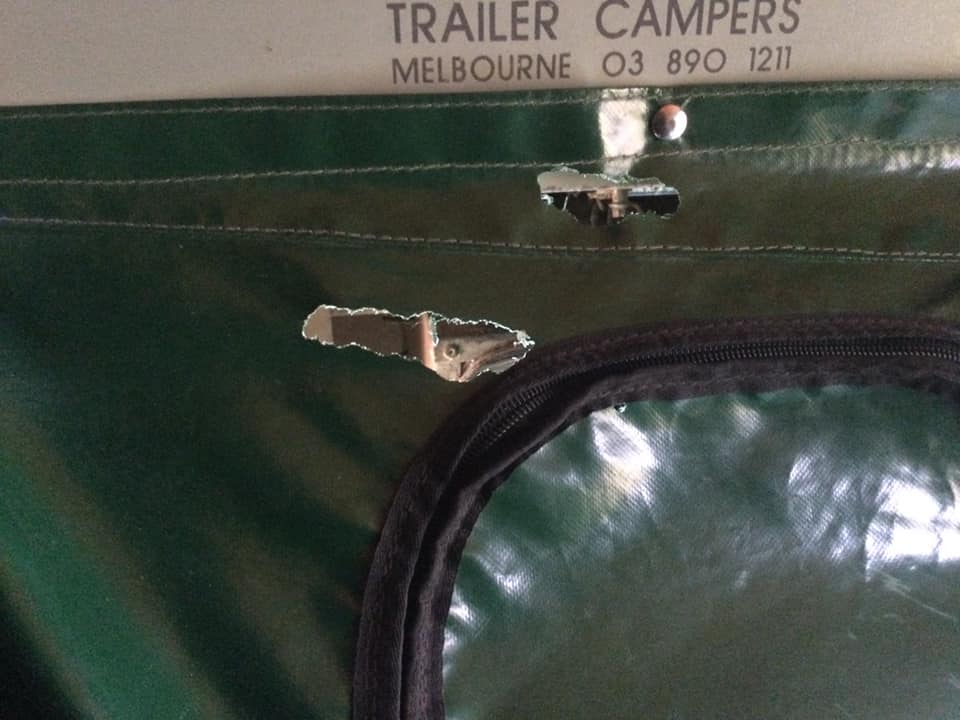
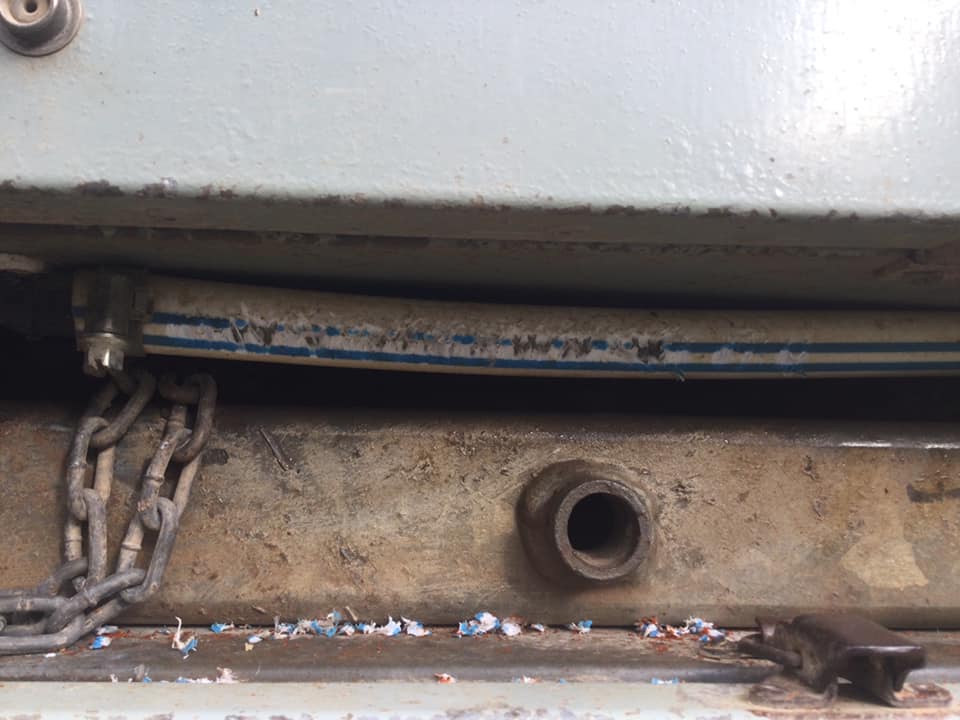
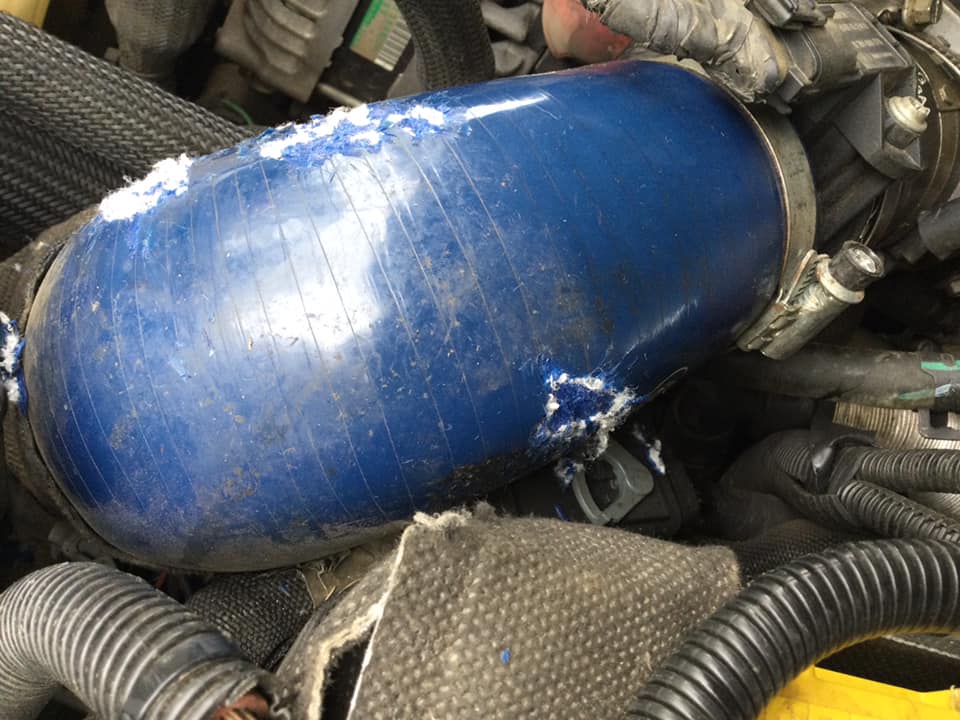
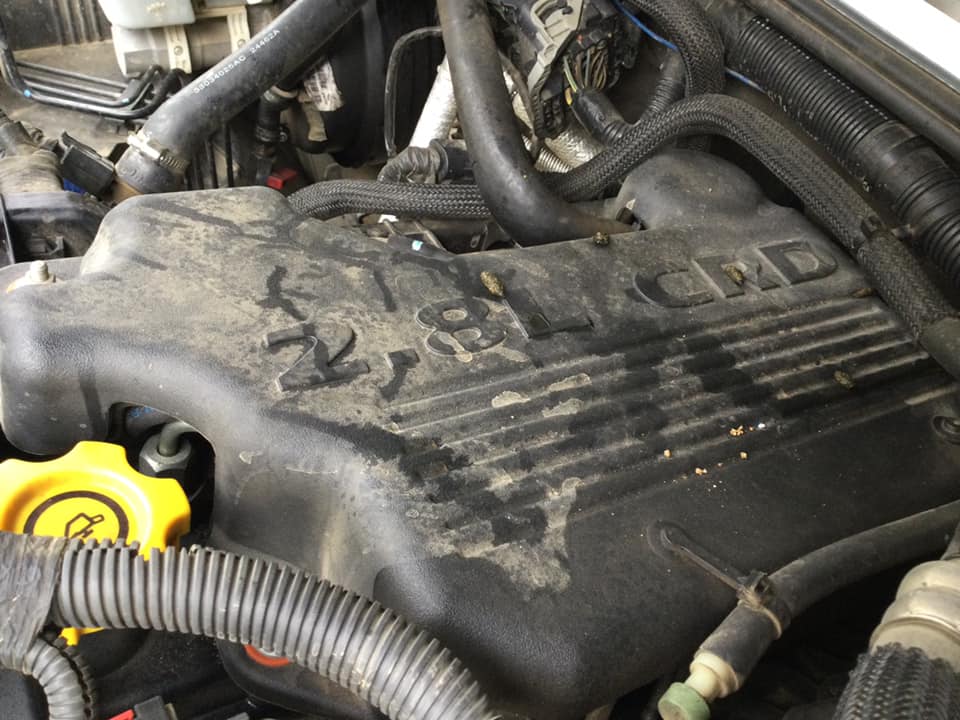
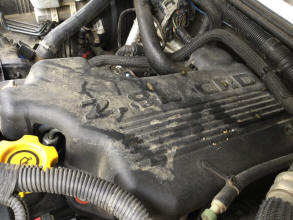
rodent
deterrent
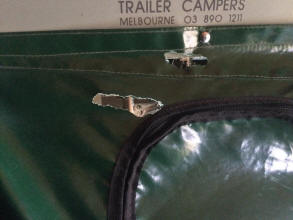
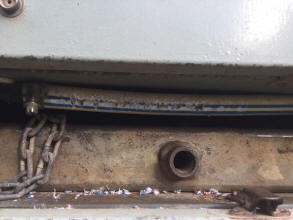
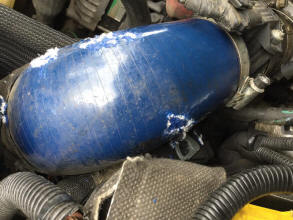
We have found
peppermint oil is a great deterrent for rodents after
having our camper trailer & vehicle engine bay attacked
by a bush rat during the night.
Recommended mix is two teaspoons of peppermint oil,
three or four drops of detergent to a cup of water & add
this to a spray bottle. Spray around the camper trailer
in out of sight areas & your vehicles engine bay.
We have also had success using mothballs in the plastic
cage which has a handy hook hung in the engine bay.
Leaving the bonnet open overnight helps too.
|
|
water tank
filler
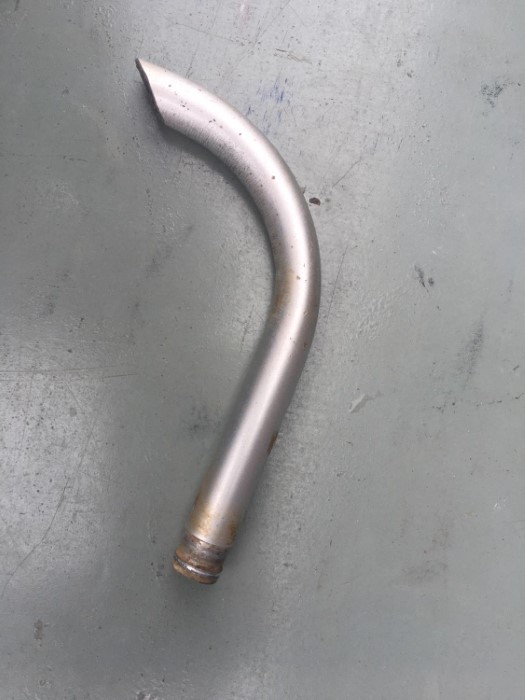
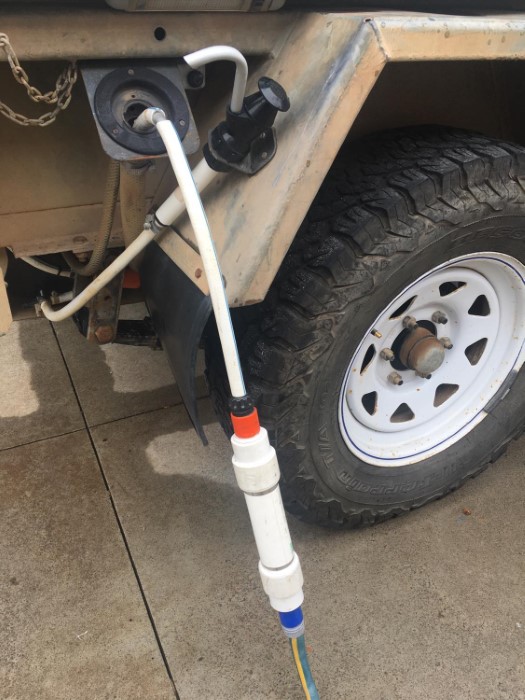
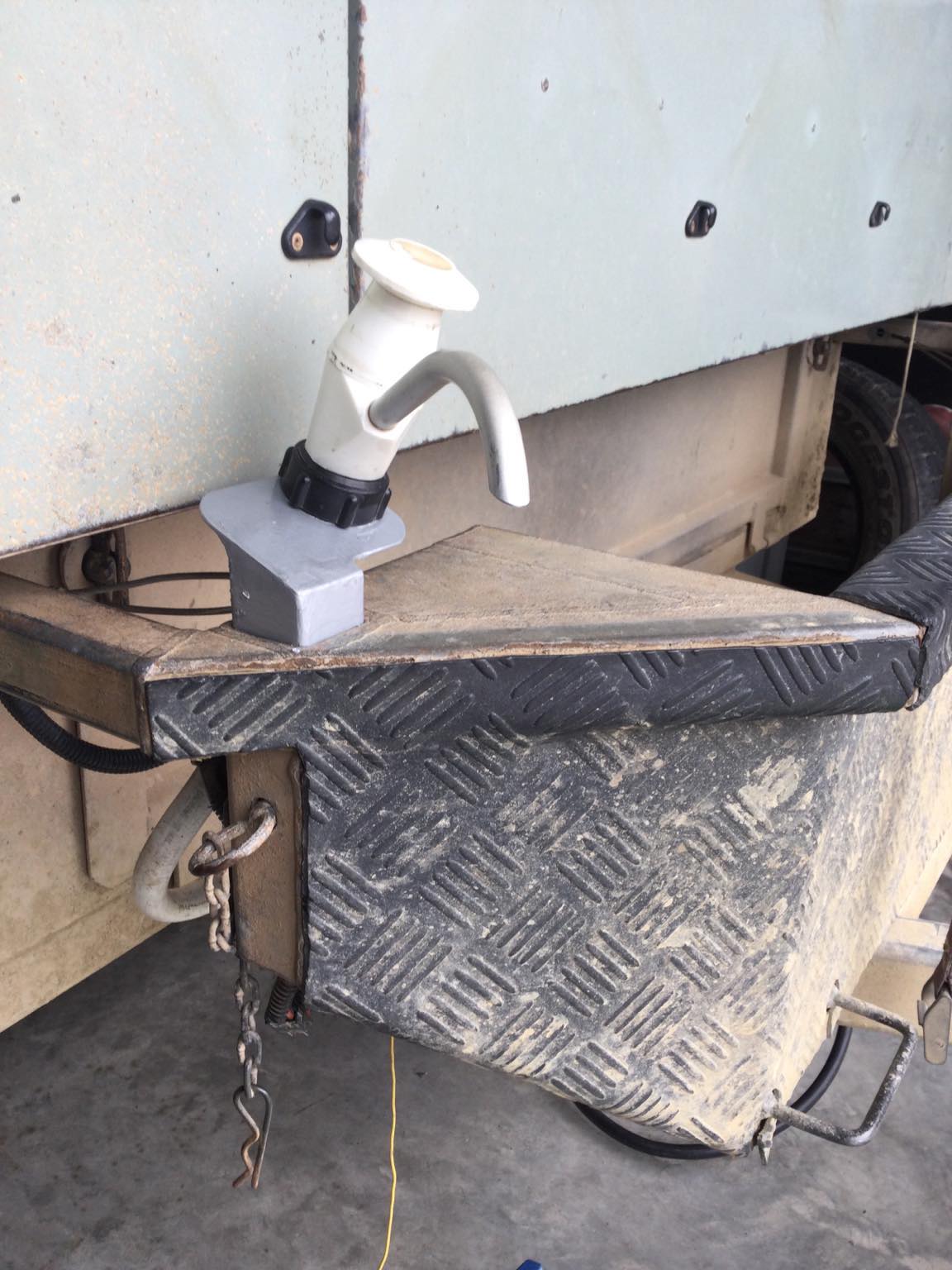
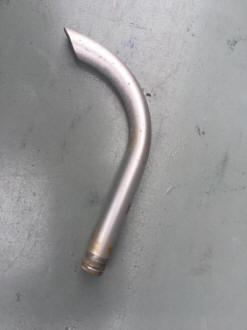
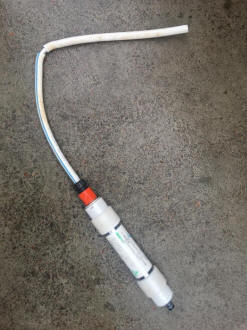
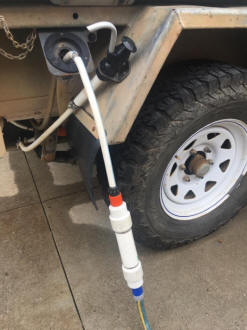
You can create a
hard bend to stop your water tank filler hose from
kinking using the spout of an old water hand pump.
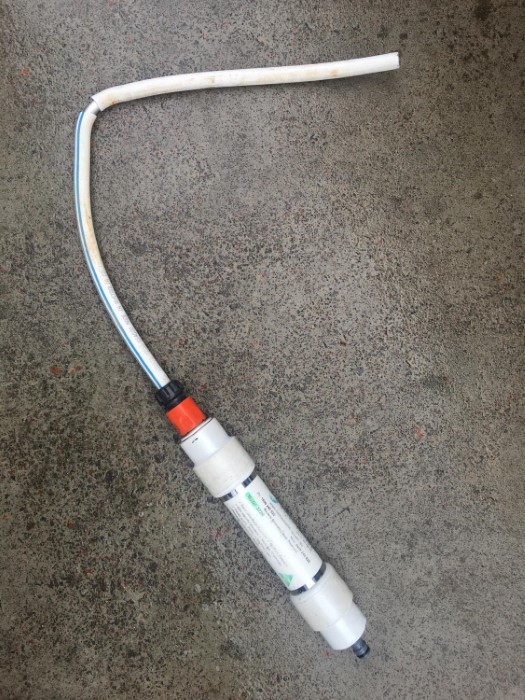
I heated the food grade drinking water hose in hot water
to make it pliable & pushed the hose onto the spout as
far as it would go. There was no need for hose clamps.
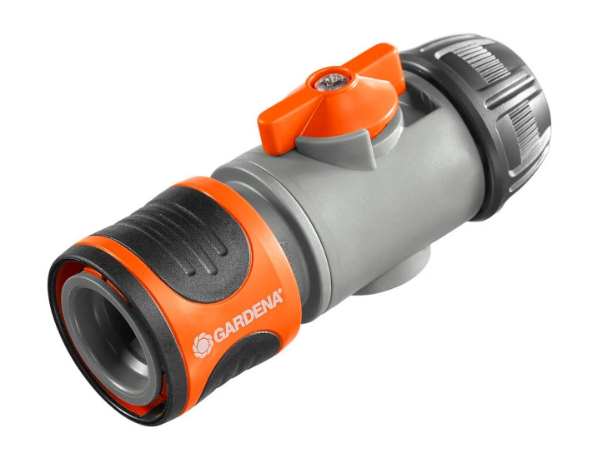
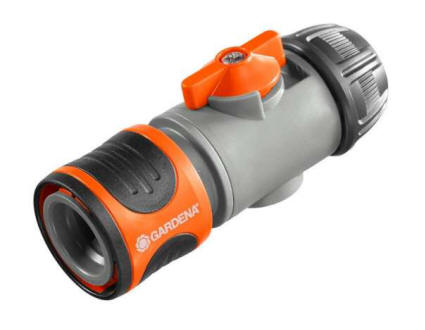
A hose connector with a control valve
could be added to control the water flow at the filler.
Of course you
can buy these commercially made, but if you are a DIYer
you will understand.
|
|
never loose
that cap
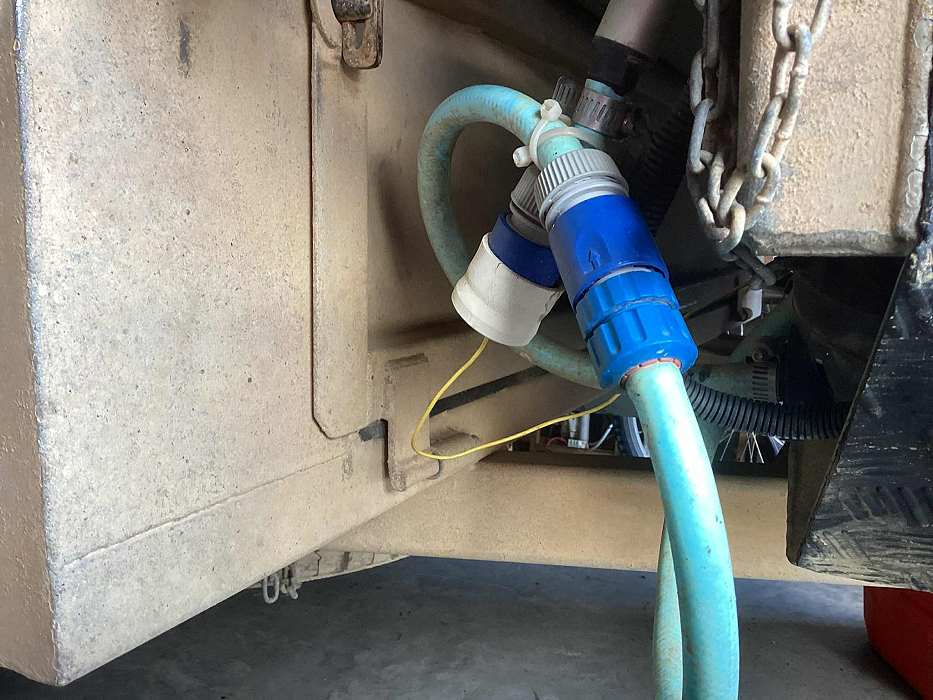
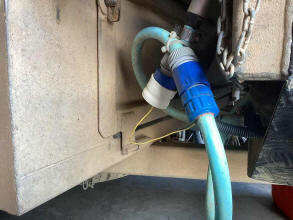
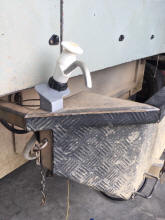
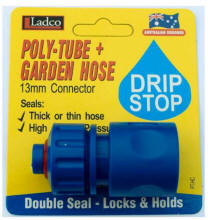
The inlet hose of a handpump on the front of our camper
trailer is connected via a removable hose to a jerry for
hand washing, washing up or other non filtered water
jobs so we do not use our filtered drinking water. I
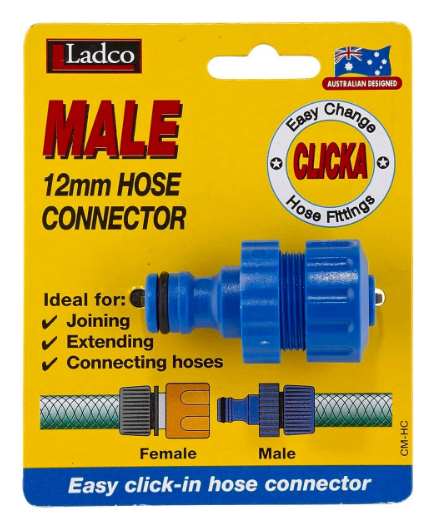
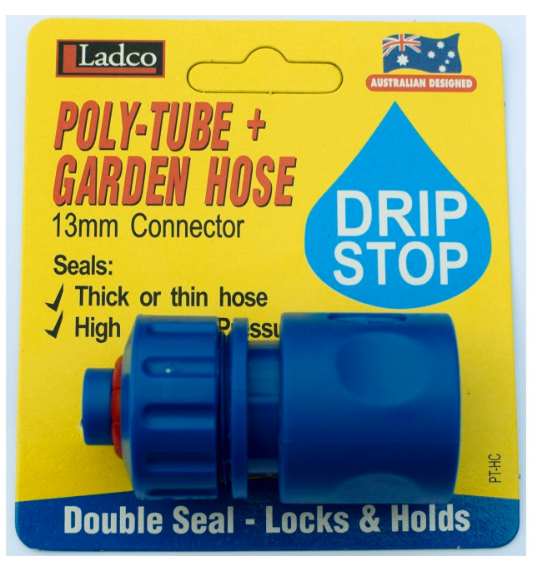
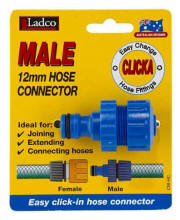
used 13mm garden hose connectors & food grade drinking
water hose. To stop dust getting into the handpump &
hoses we cover the connectors with a rubber chair foot
of a size to suit.
The rubber cap can be easily lost. I punched a hole in
the centre & pushed a length of small gauge plastic
coated 12volt wire through, tied a knot & placed the
other end around the hose. The cap just dangles until it
comes time to push it back over the connector when
packing up.
|
|
reducing
rain pooling on the canvas roof
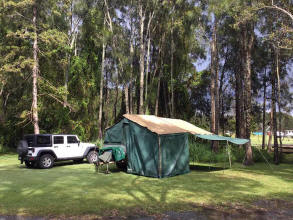
To give the canvas roof a steeper angle allowing rain to
run off & not pool that causes leaks, just drop both
corners of the awning & the back corner of the main
tent.
|
|
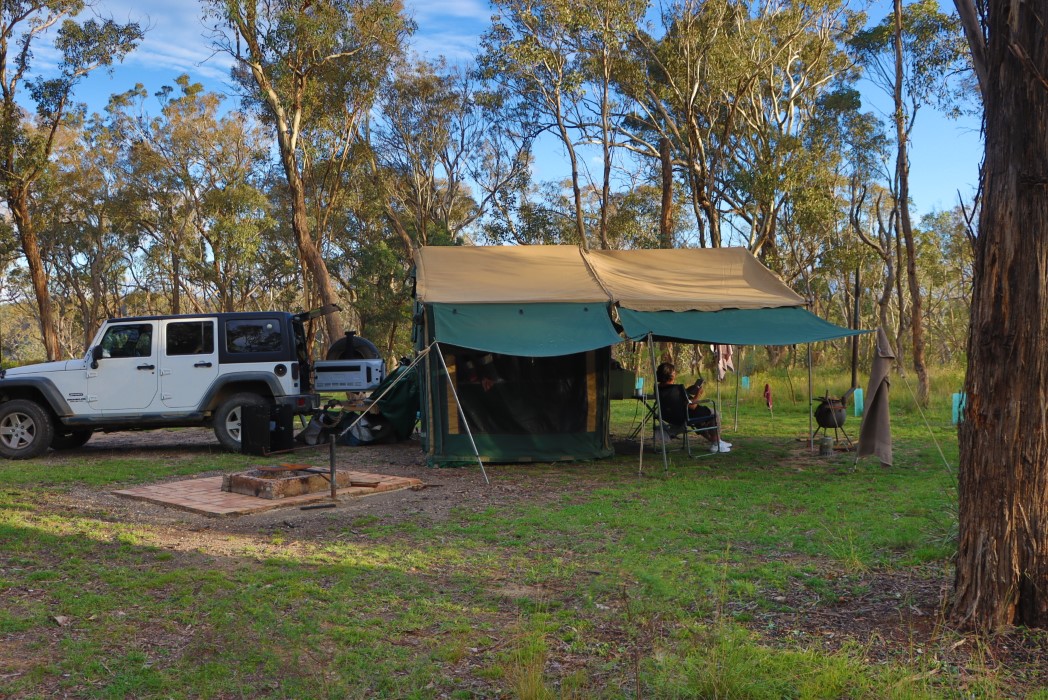
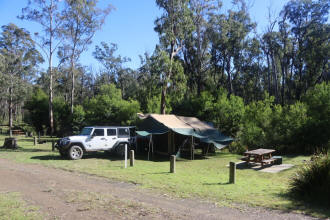
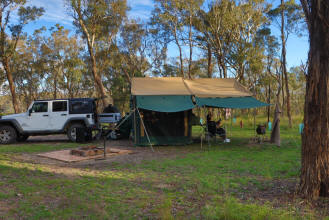
cooling our
tent
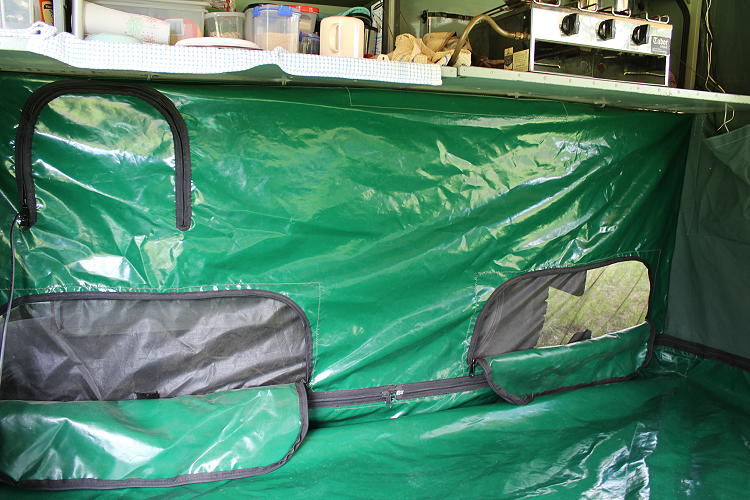
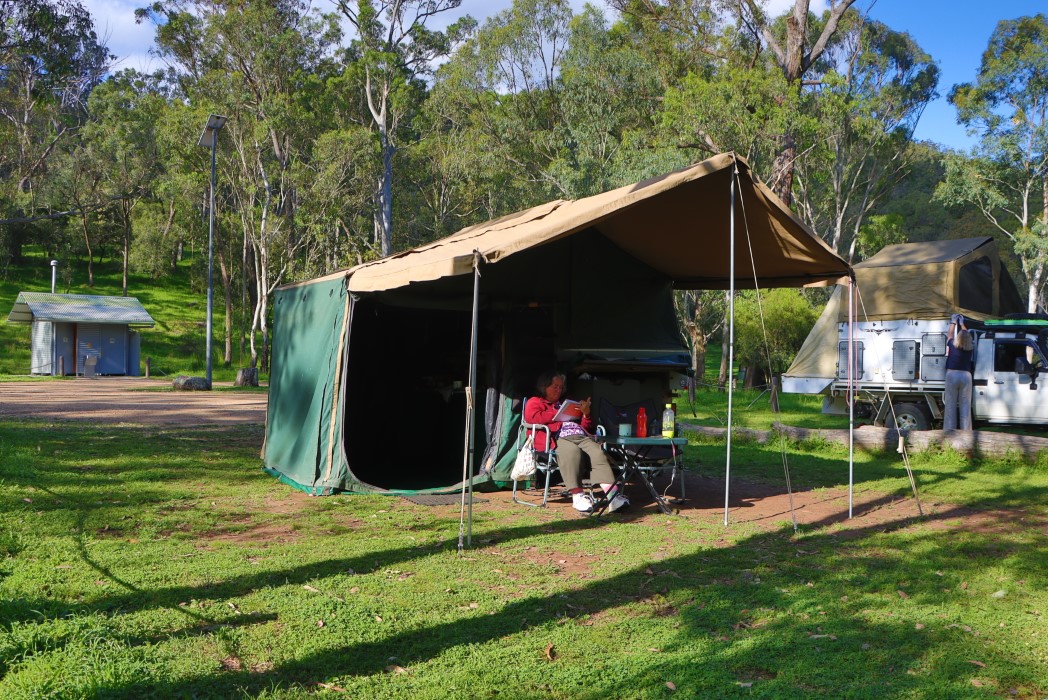
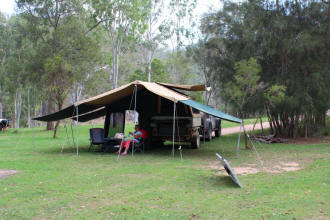
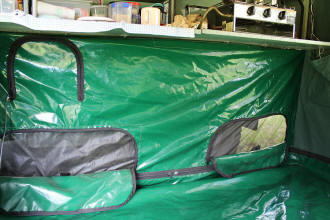
We have found by opening all the canvas window canvas
coverings & lifting the awning walls up on tent poles to
make shade creates maximum air flow through the tent on
a hot day. Our roof also opens to expel heat & vents on
the vinyl side drop draws cooler air from under the trailer.
There is a breeze way created under the awing in front of
the doorway.
|
|
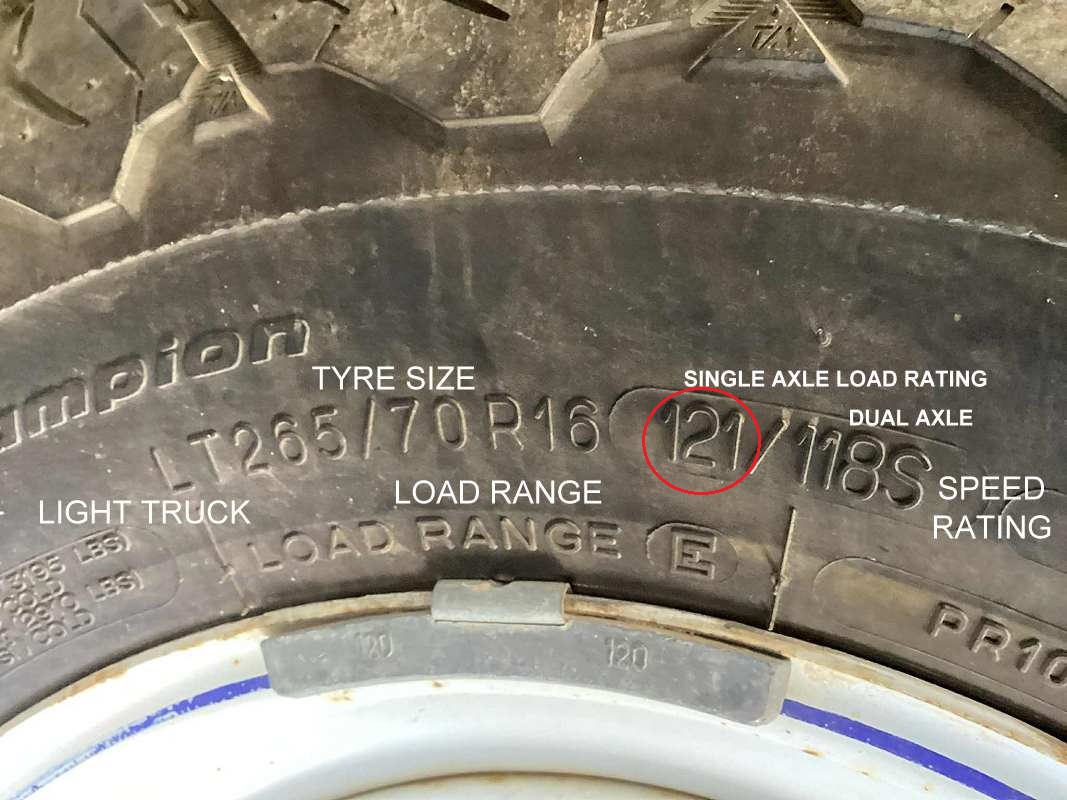
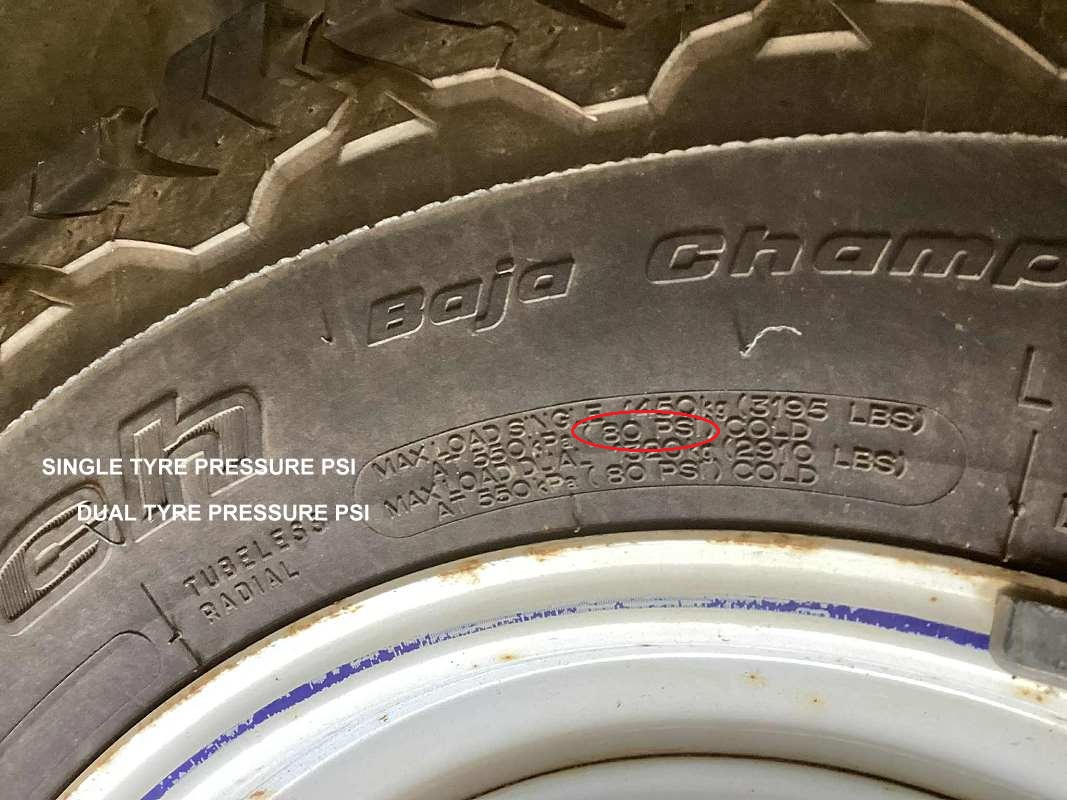
4lb tyre pressure
rule
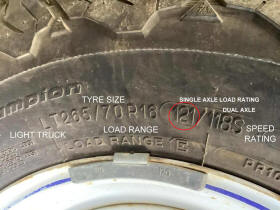
4lb rule I read about the 4lb tyre
pressure rule in Overlander 4wd magazine during the
early 80's & have been using it since. It works well for
both the vehicle & the camper trailers LT tyres, but
does not work for low profile tyres.
You need to run at highway speed for at least an hour to
give your tyres a chance to build up enough heat. What
you are aiming for is an increase of 4lb from your cold
pressure reading.
If you are over the 4lb you have not put enough air
in the tyres from cold. An under inflated tyre drags
on the road generating heat.
If you are under the 4lb you have put too much air in
when the tyre was cold. Over inflation when cold
will not generate enough heat.
You can build up a chart for cold tyre pressures of
varying loads for the vehicle & trailer.
More on the tech tips page
https://www.campertrailers.org/tyre_pressures.htm
 |
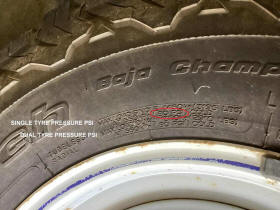 |
| single
axle load rating |
single
axle maximum
tyre PSI pressure |
|
|
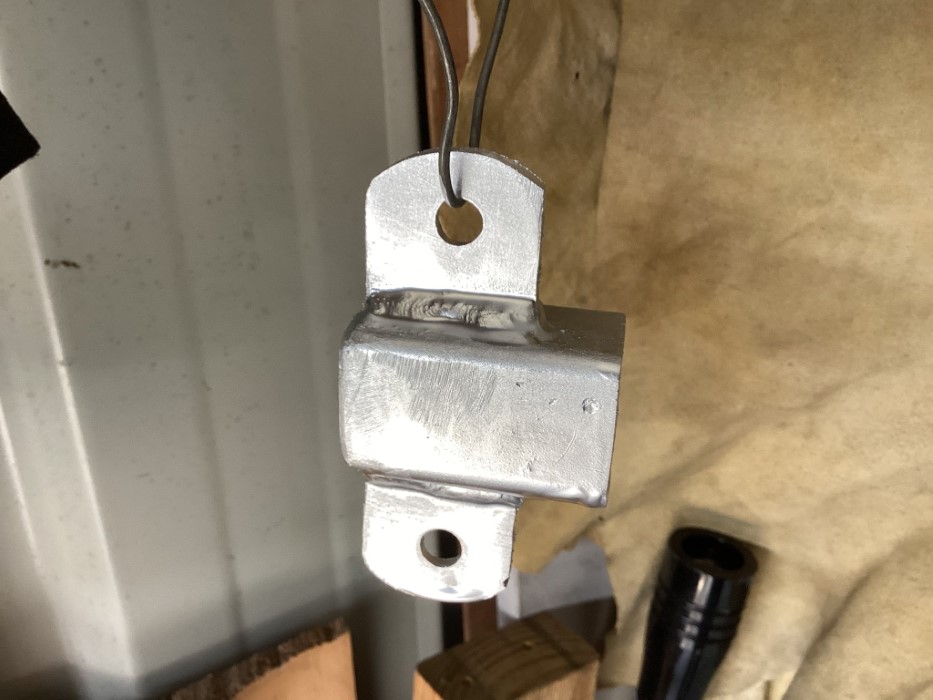
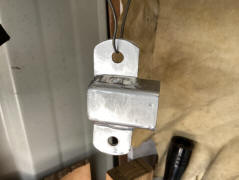
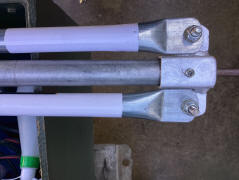
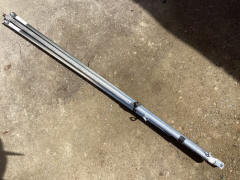
setting up
awning poles
The RAWWcon camper trailer awning
connection system makes setting up the awning poles &
spreaders a lot eaiser. Being a DIYer I made my own with
everything I had laying around.
 |
 |
 |
|
pole spreader hinge |
poles & spreaders attached |
packed with bungee |
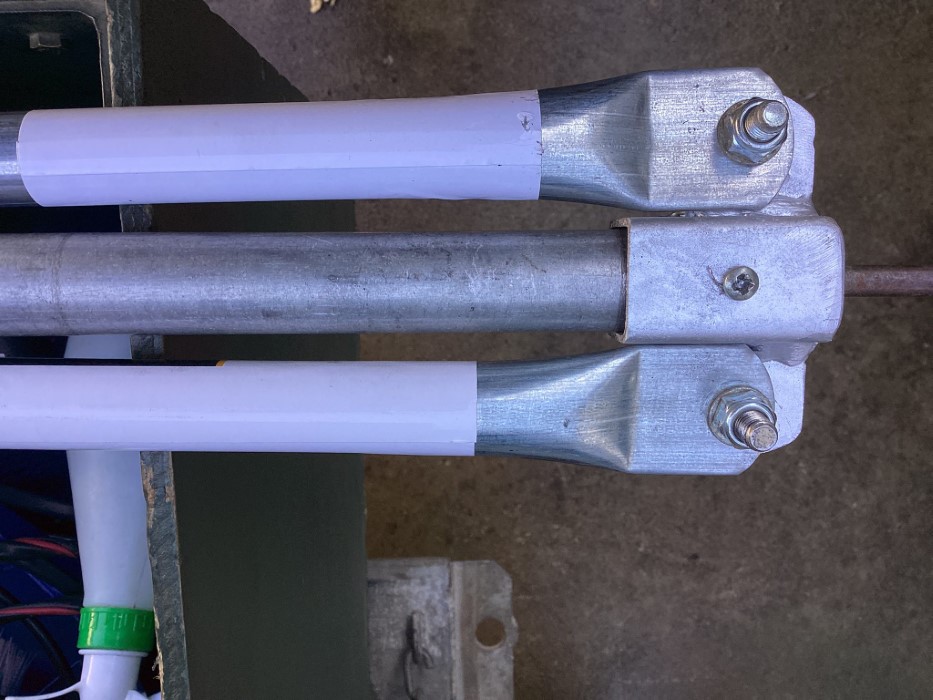
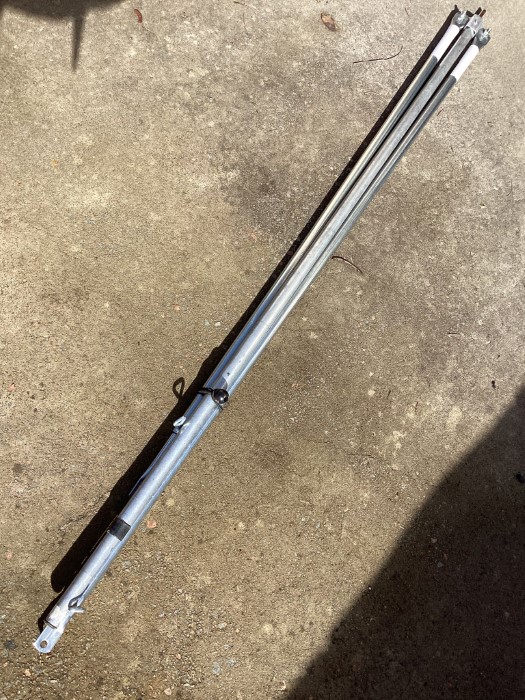
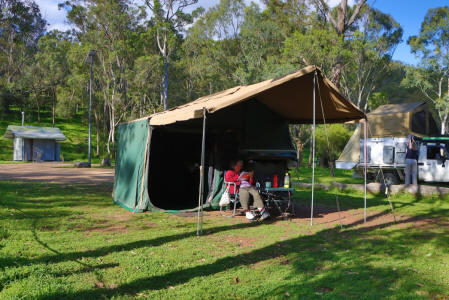
The awning ridge spreader from the
tent to the Rob connector is first set up, spigot
through the awning eyelet, rope on top, raised to ridge
height & a peg hammered into the ground. We find a
bungee around the pole & over the spigot keeps
everything in position while the ropes are loose.
The two spreaders from the Rob connector are then placed
over the awning corner poles along with the end
spreaders from the camper trailer, through the eyelet,
rope & pegged.
The two internal tent poles used to erect the main tent
are kept on the bed at the correct height. The camper
trailer tent including the awing is set up in 7 1/2
minutes. From there the canvas window & door covers are
pegged out or rolled up depending on the weather. An
awning sidewall may be added to give us shade or to stop
the wind.
 |
|
awning poles & spreaders
attached |
|
tech tips by
Rob
december 2025
|